
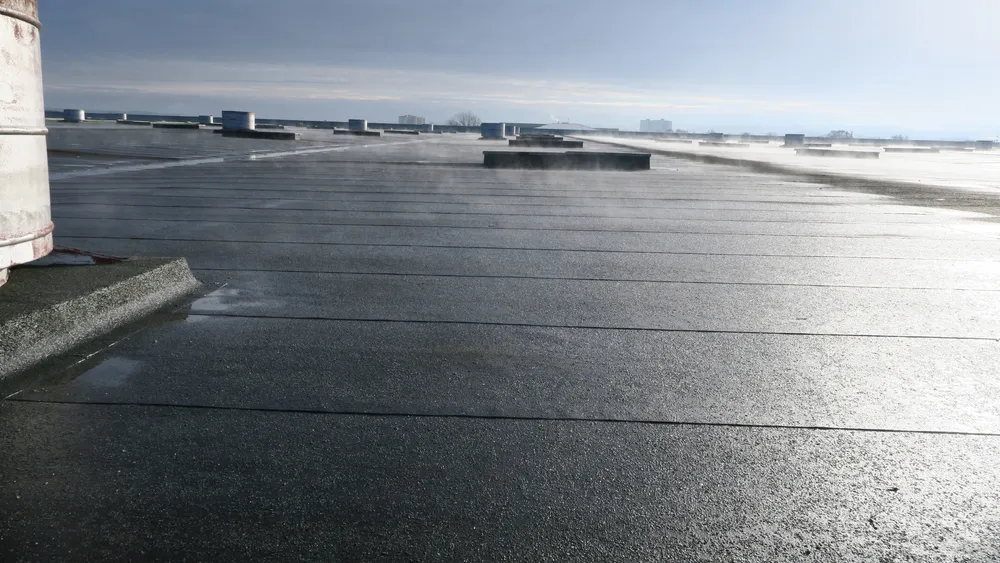
If you’re researching flat roofing, you’ve probably asked the same question everyone asks before a new install or replacement: what is the best material for a flat roof? The honest answer is that “best” depends on how your building is used, how much foot traffic the roof sees, how harsh your weather is, and whether you prioritize upfront cost, long-term durability, or energy efficiency.
This guide breaks down the most common flat roof materials, what they’re best at, where they can struggle, and how to choose a system that fits both residential and commercial needs.
Start by Defining What “Best” Means for Your Roof
Before comparing products, what is the best material for a flat roof comes down to matching the system to your priorities: longevity, leak resistance, maintenance, cost, and how the roof will be used day-to-day.
H3: Budget vs Lifespan: The Tradeoff Most Owners Miss
A lower-cost roof can be perfectly acceptable if the building’s needs are simple and the roof is maintained, but the cheapest option can become expensive if it leads to frequent repairs or early replacement. A “best” choice often balances stable performance with a lifespan that makes financial sense for how long you plan to own or operate the building.
Foot Traffic, Equipment, and Real-World Wear
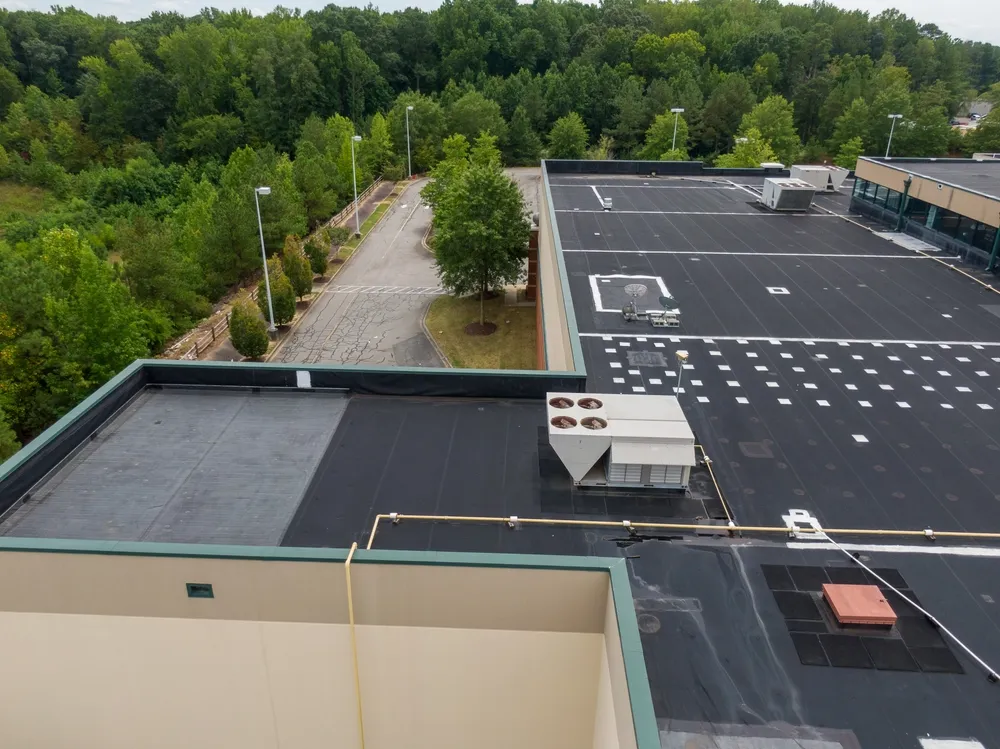
Commercial roofs often carry HVAC units and regular technician visits, while many residential flat roofs see lighter traffic but may have patios, decks, or occasional access. If your roof will be walked on often, puncture resistance and protected pathways matter more—and that can influence what is the best material for a flat roof in your situation.
Climate and Drainage Conditions
Hot sun, freeze-thaw cycles, heavy rain, hail, and wind all stress roofs in different ways. Even the best membrane can fail early if drainage is poor and water ponds regularly. So part of answering what is the best material for a flat roof is planning a system that sheds water reliably and handles local weather without constant patching.
Single-Ply Membranes: The Most Common Modern Answer
For many properties, what is the best material for a flat roof often points to single-ply membranes because they’re versatile, relatively lightweight, and widely used on both commercial and residential low-slope roofs.
TPO: Popular for Reflectivity and Welded Seams
TPO is frequently chosen when owners want a reflective surface that can help reduce heat gain and when heat-welded seams are a priority. It’s widely available and commonly installed, which can make it easier to source and repair. The key with TPO is installation quality—seam consistency, correct attachment, and careful detailing around penetrations and edges are what make it perform like a “best-in-class” option rather than a short-term fix.
EPDM: Flexible, Proven, and Often a Strong Value
EPDM is a rubber membrane known for flexibility and long track records in many environments. It can handle building movement well, which is helpful as structures expand and contract. EPDM can be an excellent answer to what is the best material for a flat roof when you want dependable performance and a system that’s straightforward to service over time—especially on roofs with simpler shapes and fewer complex penetrations.
PVC: Premium Choice for Harsh Conditions and Certain Buildings
PVC is often selected when chemical resistance, grease resistance, or durability in tough rooftop environments matters—such as restaurants or buildings with specific industrial exhaust conditions. It also uses welded seams, which many owners like for long-term watertight confidence. If your building needs a tougher membrane for demanding exposure, PVC can be a strong contender when deciding what is the best material for a flat roof for your use case.
Asphalt-Based Flat Roof Systems: Tough and Time-Tested
For some buildings, what is the best material for a flat roof can point to asphalt-based systems because they offer rugged performance, redundancy, and strong puncture resistance in the right applications.
Modified Bitumen: Durable for Traffic and Detail-Heavy Roofs
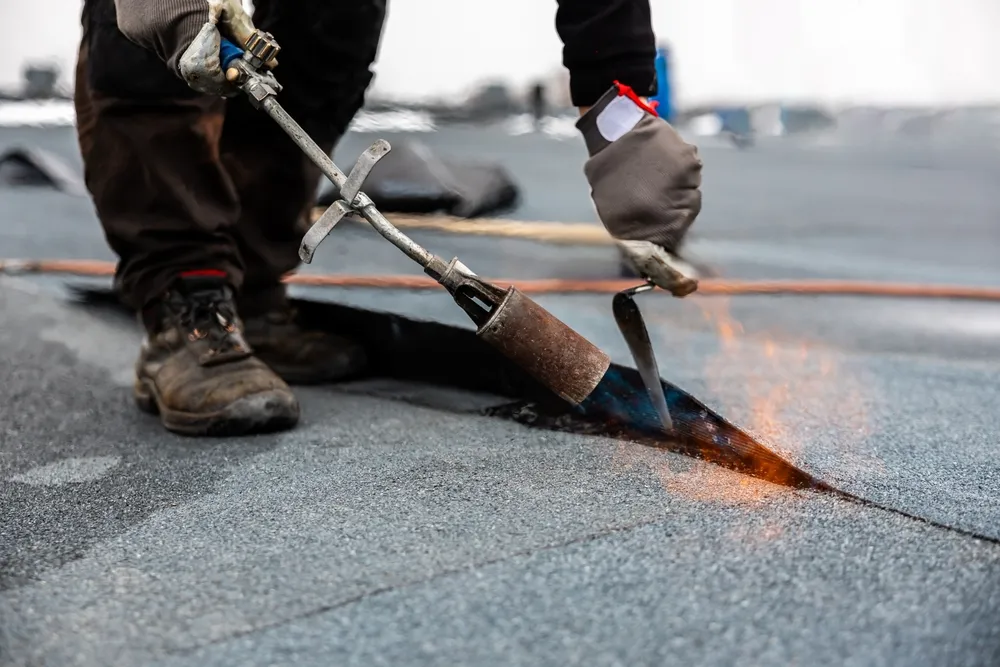
Modified bitumen is valued for toughness and can be a practical choice on roofs with frequent service visits or where added durability is needed. Many versions include reinforced layers that handle wear better than some lighter systems. The quality of seams and transitions matters a lot here, so the “best” result depends on correct installation methods and careful detailing.
Built-Up Roofing (BUR): Multi-Layer Protection With a Long History
BUR systems use multiple layers, which can provide redundancy and strong resistance to certain types of damage. They’re often seen on larger commercial buildings and can be a solid answer to what is the best material for a flat roof when you want a robust assembly and your structure supports the system weight and installation approach. As with any roof, drainage and edge details still decide how well it ages.
When Asphalt Systems Make the Most Sense
Asphalt-based systems can be a great match when you need toughness, when traffic is heavy, or when you want a roof assembly with multiple protective layers. They can be less ideal when you want a lighter system, faster installation timelines, or a membrane that’s easier to keep highly reflective for heat management.
Spray Foam and Coatings: Best for the Right Candidates
For certain buildings, what is the best material for a flat roof can be spray polyurethane foam (SPF) or a restoration coating strategy—but only when the roof is a good candidate and ongoing maintenance is realistic.
Spray Polyurethane Foam: Seamless Surface With Maintenance Discipline
SPF can create a seamless waterproofing surface and can also contribute to insulation value. However, SPF performance is tied closely to coatings and maintenance schedules. If recoating is delayed, UV exposure can shorten roof life. When maintained properly, SPF can be a strong solution for specific buildings, especially where unusual shapes or details make traditional membranes harder to install cleanly.
Roof Coatings: Extending Life vs “Covering Problems”
Coatings can extend roof life when the underlying roof is still structurally sound and relatively dry, but coatings are not a magic fix for wet insulation, failing edges, or chronic ponding. If you’re asking what is the best material for a flat roof because your roof leaks repeatedly, the right first step is often an inspection to determine whether restoration is appropriate—or whether replacement is the better value.
Where Foam or Coatings Fit Best
Foam and coatings often fit best when the roof is maintained proactively, when access is controlled, and when the building owner understands that periodic renewal is part of the system’s lifecycle—not an optional extra.
The “Best” Material Changes by Building Type
A big part of answering what is the best material for a flat roof is recognizing that a small residential roof and a large commercial roof don’t behave the same way, even in the same climate.
Best for Commercial Buildings With Rooftop Equipment
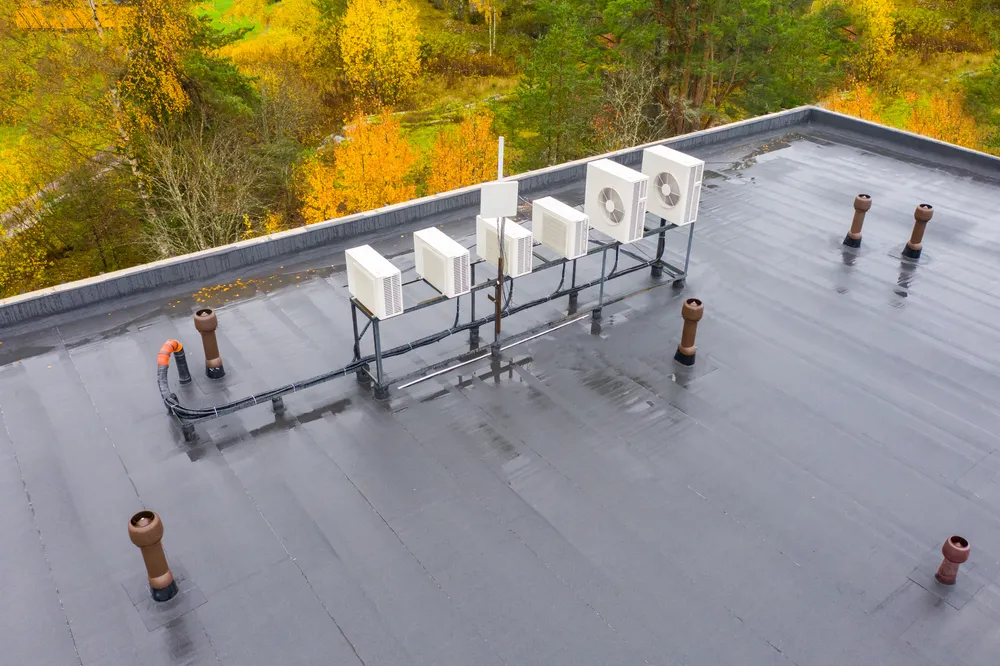
Commercial roofs with HVAC units, frequent service traffic, and many penetrations often benefit from systems that handle foot traffic well and can be maintained efficiently. Many owners choose single-ply membranes with strong detailing or tougher assemblies depending on usage. The “best” commercial choice is usually the one that supports a maintenance plan, safe walk paths, and fast repairs without disrupting operations.
Best for Residential Flat Roofs and Modern Additions
Residential flat roofs often prioritize clean aesthetics, strong insulation performance, and reliable waterproofing over smaller areas. Many homeowners want a system that’s quiet, durable, and easy to service. In many cases, what is the best material for a flat roof on a home points to single-ply membranes installed with careful flashing work and drainage planning.
Best for Garages, Porches, and Low-Slope Add-Ons
Smaller low-slope areas can be deceptively tricky because edges and transitions are everything. The “best” material choice here is often less about the product name and more about the contractor’s ability to detail terminations correctly, prevent ponding, and integrate the roof into the building envelope.
What Matters More Than Material (And Changes Outcomes)
If you ask ten people what is the best material for a flat roof, you’ll hear ten opinions. But in real-world performance, a few factors matter so much that they can override the material choice entirely.
Drainage Design Often Beats “Premium” Membranes
A premium membrane installed on a roof with chronic ponding will still struggle. A well-designed roof with proper slope, correctly placed drains/scuppers, and clean flow paths can help even a mid-range system last longer. If you want the “best” roof, start with water management.
Edge and Flashing Details Are Where Roofs Win or Lose
Most leaks begin at penetrations, walls, corners, and perimeters—not in the center of the roof. That’s why the best material for a flat roof is also a question about workmanship. A top-tier membrane with weak flashing details is still a risky roof.
Attachment Method Must Match Wind and Building Conditions
How the roof is attached—adhered, mechanically attached, or otherwise engineered—affects wind uplift resistance, movement, and long-term stress on seams and edges. Two roofs with the same membrane can perform very differently based on attachment strategy and perimeter securement.
A Simple Decision Framework for Choosing the Best Flat Roof Material
To land on what is the best material for a flat roof for your property, use a practical framework that considers how the roof will live, not just how it will look on installation day.
If You Want the Best Balance of Cost and Performance
Many owners aim for a system that performs reliably without being the most expensive option. In that case, single-ply membranes often rise to the top—provided the installation is detail-driven and drainage is addressed. The “best value” is the system that avoids repeat repair cycles.
If You Want Maximum Durability for Heavy Use
If your roof sees frequent traffic, equipment service, or harsh exposure, prioritize durability in both material and detailing. Consider how repairs will be handled, how walk paths will be protected, and whether the roof assembly is designed to manage real wear.
If You Want the Best for Energy and Comfort
Insulation design and reflective performance can matter as much as membrane choice for energy outcomes. A good roof plan focuses on the full assembly—insulation, vapor control where appropriate, and a membrane that fits your climate—so your building stays comfortable and operating costs stay predictable.
FAQs
What is the best material for a flat roof for a commercial building?
In many commercial cases, single-ply membranes are a popular answer because they’re adaptable, serviceable, and compatible with large roof areas and rooftop equipment. The best choice depends on traffic, exposure, drainage, and building use.
What is the best material for a flat roof for a house?
For residential flat roofs, many homeowners choose single-ply systems because they can be clean-looking, efficient, and durable when detailed correctly. The best system is the one matched to your climate, insulation needs, and roof layout.
Is TPO better than EPDM?
Neither is universally “better.” TPO is often chosen for reflective performance and welded seams, while EPDM is valued for flexibility and proven durability. The best choice depends on roof complexity, climate, and installation quality.
Is PVC the longest-lasting option?
PVC is often considered a premium option, especially in demanding environments, but lifespan still depends heavily on detailing, drainage, and maintenance. A well-installed roof system typically outperforms a poorly installed “premium” roof.
Do flat roof coatings replace the need for a new roof?
Sometimes coatings can extend roof life, but they’re not a cure for saturated insulation, failing edges, or chronic drainage issues. A roof inspection can determine whether restoration is appropriate.
What matters most when choosing a flat roof material?
Drainage design, flashing and edge detailing, correct attachment method, and a clear maintenance plan often matter just as much as the membrane type when deciding what is the best material for a flat roof.
Conclusion
So, what is the best material for a flat roof? For many properties, modern single-ply membranes (TPO, EPDM, or PVC) are the go-to choice because they’re versatile, efficient, and serviceable. In other situations—like heavy-traffic roofs, unique building conditions, or restoration candidates—modified bitumen, BUR, or SPF can be the better fit. The real “best” decision happens when the roof is designed as a full system: solid substrate, intentional slope and drainage, correct insulation strategy, and high-quality edge and flashing details.
That’s what we do at Single Ply Roofing Experts. We provide commercial and residential flat roofing services, specializing in single-ply systems installed with detail-first workmanship. If you want a clear recommendation based on your building, your climate, and your budget goals, we can inspect your roof, explain the best options in plain language, and build a system designed to last—not just look good on day one. Get a quote today.