
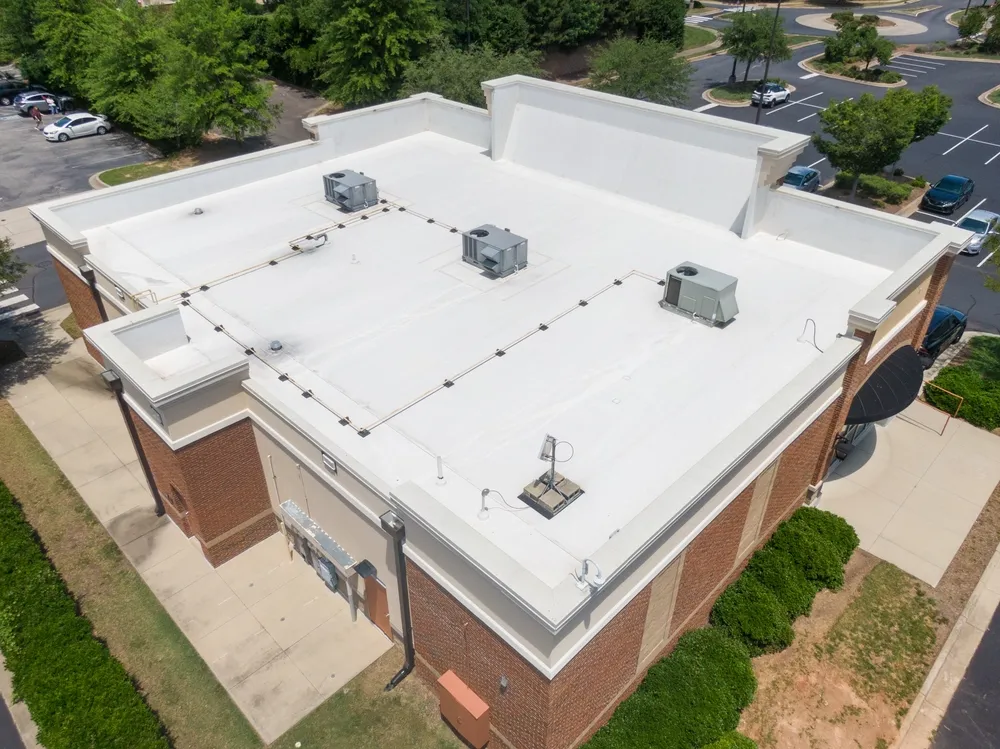
TPO is one of the most common single-ply systems for low-slope roofs, but pricing can swing widely depending on the roof’s condition, insulation requirements, and how complex the details are. If you are trying to budget accurately, it helps to understand what you are really paying for, not just a number per square foot.
This guide breaks down the practical drivers behind tpo roofing cost in 2026 so you can plan your budget, compare quotes correctly, and avoid surprises mid-project.
Average TPO Roofing Cost Ranges in 2026
To set expectations, TPO roofing cost in 2026 is usually quoted per square foot and then adjusted based on tear-off, insulation, and complexity. Across the market, many projects land in a broad mid-range, with simpler overlays trending lower and premium builds trending higher.
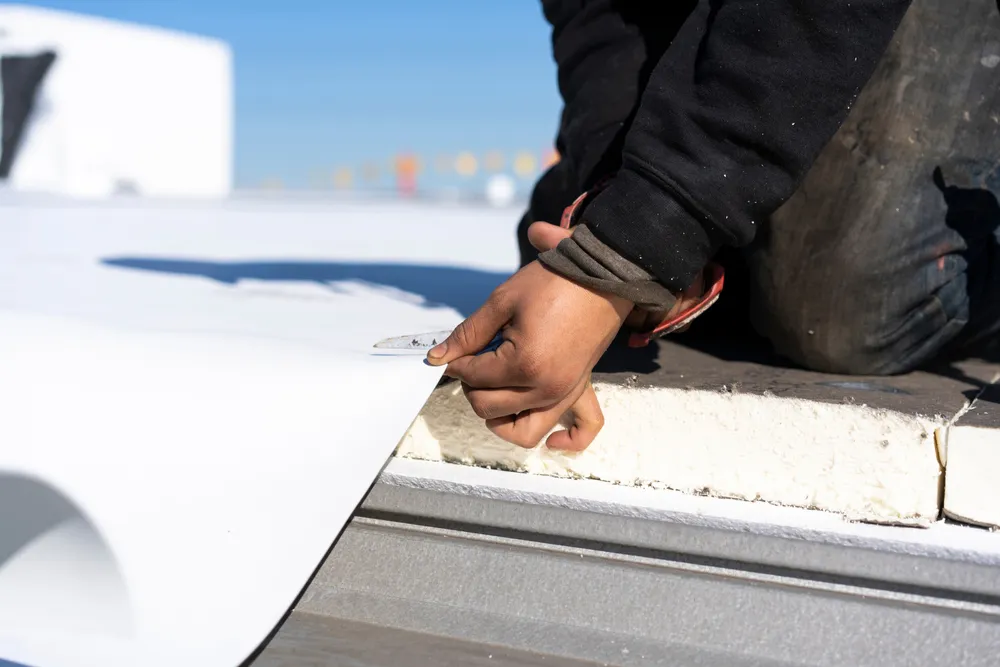
Typical Per Square Foot Price Bands
A practical way to think about pricing is low, mid, and high tiers. Low-tier pricing is more common when the scope is straightforward, access is easy, and the roof does not require major insulation upgrades. Mid-tier pricing is the most common “replace and improve” scope. High-tier pricing shows up when you have complex penetrations, strict insulation requirements, upgraded cover boards, premium thickness, or challenging access and safety needs.
Why Total Cost Varies More Than People Expect
Two roofs with the same square footage can have very different totals because the details drive labor. Edge metal, parapets, curbs, drains, and rooftop units add time and materials. Even disposal logistics and staging can move the final number significantly on commercial sites.
The Biggest Factors That Drive TPO Roofing Cost
The quickest way to understand TPO roofing cost is to look at what changes labor hours and what changes the roof assembly. Most price differences come from tear-off scope, insulation requirements, and how many details need careful flashing.
Roof Size, Shape, And Penetration Density
Large roofs often have efficiency in staging and workflow, but they can also include more penetrations and equipment. Small roofs can cost more per square foot if setup, edge work, and detailing dominate the project. Roofs with lots of curbs, skylights, and wall transitions take longer because they require precision work.
Tear-Off Versus Overlay
A tear-off adds labor and disposal, but it also allows inspection of the deck and replacement of wet materials. An overlay can be more affordable when the existing roof is a suitable candidate, but it is not always the right choice if moisture is trapped below or the substrate is unstable. Cost is not the only factor here because the wrong approach can shorten roof life.
Insulation Upgrades And Energy Code Requirements
Insulation is a major driver because it changes both material cost and labor time. If code requires higher R-values, the roof assembly gets thicker and more expensive. Tapered insulation to improve drainage can also add cost, but it often improves long-term performance by reducing ponding risk.
Membrane Thickness and System Build Options
Many owners focus on membrane thickness because it feels like a simple upgrade, and it can affect TPO roofing cost, but the full assembly matters just as much as the top layer.
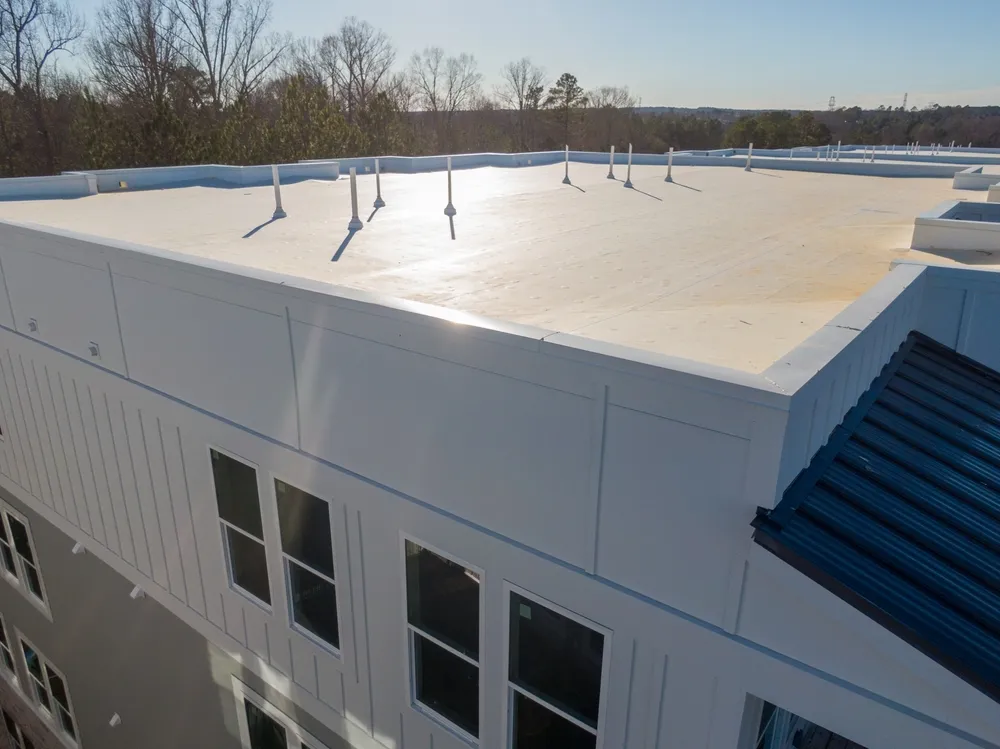
45 Mil, 60 Mil, And 80 Mil: What Changes
Thicker membranes generally offer better puncture resistance and longer-term durability, especially on roofs with foot traffic or maintenance activity. The step up in thickness is often a smaller cost difference than people assume relative to the total installed system, because labor and detailing are a large portion of the total.
Cover Boards, Walk Pads, And Protection Layers
A durable TPO roof is often built with protection in mind. Cover boards can improve impact resistance and create a better substrate for the membrane. Walk pads reduce wear in service paths near HVAC units and access points. These upgrades add cost, but they can reduce repairs and extend service life.
Installation Method and Labor Impact
When reviewing TPO roofing cost, you should always ask how the system will be installed because attachment method changes labor time, wind performance, and how the roof behaves under movement and temperature swings.
Fully Adhered Versus Mechanically Attached
Fully adhered systems can feel more stable and reduce membrane flutter in wind, but they require careful substrate prep and adhesive work. Mechanically attached systems can be efficient, especially for large commercial roofs, but they require correct fastening patterns and high-quality seam welding. The “best” choice depends on building exposure, deck type, and performance expectations.
Access, Safety, And Site Logistics
Roof height, limited staging space, interior protection requirements, and occupant safety planning all affect labor. Commercial sites with strict safety zones, busy parking, or continuous operations typically require more coordination, which can increase labor cost even if the roof size is similar to another project.
Commercial vs Residential Budget Planning
A realistic view of TPO roofing cost should separate commercial and residential decision-making because the scope and constraints are usually different, even when the material is the same.
Commercial Roofs Often Include Operational Complexity
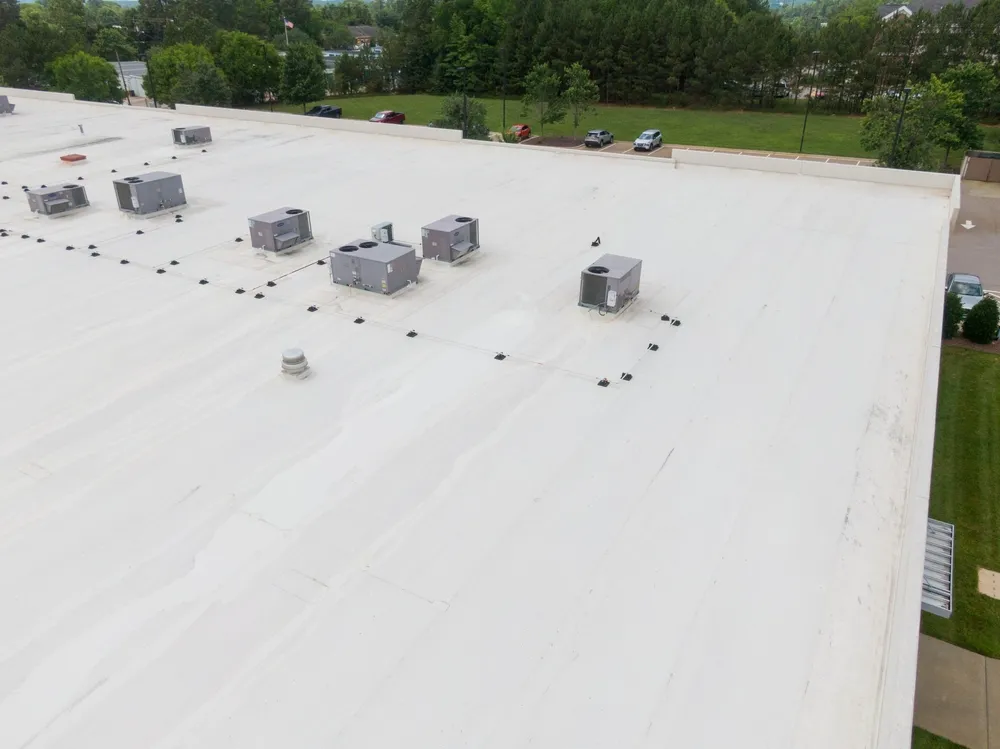
Commercial projects commonly involve rooftop units, more penetrations, service paths, and larger drain planning. Many facilities also require phased work to keep operations running, which can increase labor and scheduling complexity.
Residential Flat Roofs Often Have More Sensitive Detailing
Residential flat roofs frequently involve tricky edges, transitions into walls, and interior spaces directly below. That means waterproofing details and clean jobsite practices become especially important, and those details can influence cost more than homeowners expect.
How to Read a TPO Roofing Quote the Right Way
If you want to control TPO roofing cost, you need to compare proposals by scope and system design, not just the total number.
The most expensive problems happen when a quote is vague and corners get cut quietly.
What a Complete Scope Should Include
A strong quote clearly states tear-off limits, deck inspection approach, insulation plan, membrane thickness, attachment method, flashing scope, edge metal scope, drain work, disposal, and cleanup. It should also clarify protection for landscaping, interiors, and building occupants where relevant.
Red Flags That Usually Lead to Change Orders
Watch for missing insulation specs, unclear flashing language, “as needed” phrasing without allowances, and no written change-order process. If the quote does not define what happens when wet insulation or damaged decking is found, you are exposed to surprise costs mid-project.
Smart Ways to Lower Cost Without Cutting Quality
Lowering TPO roofing cost is possible, but the safest savings come from planning and smart scope decisions, not removing the details that keep the roof watertight.
Plan Timing and Reduce Emergency Premiums
Emergency leaks often force rushed decisions and premium scheduling. If you can plan ahead, you often get more scheduling flexibility, better material ordering, and fewer rushed compromises. Proactive inspections also help you catch issues before they become full failures.
Target the Right Scope for the Roof’s Condition
Some roofs truly need replacement, while others can be repaired or restored if the system is still sound. The key is an honest assessment of moisture, drainage, and membrane condition. Spending money on drainage improvements and correct flashing work often delivers better value than chasing the lowest membrane price.
Warranties, Maintenance, and Long-Term Value
When thinking about TPO roofing cost, the best value is the roof that performs for years with fewer surprises.
Warranty clarity and maintenance planning are part of durability, not optional extras.
Material Warranty Versus Workmanship Warranty
Manufacturer coverage usually focuses on membrane and approved accessories, while workmanship coverage protects you from installation defects. You should know how long each lasts, what paperwork you will receive, and what requirements exist for coverage to remain valid.
Maintenance That Protects Your Investment
Even a well-installed roof benefits from periodic inspections, drain cleaning, and prompt repair of small issues at penetrations and edges. Regular checks help you avoid preventable leaks and extend the service life of the system.
FAQ
What Is the Average TPO Roofing Cost Per Square Foot in 2026?
Many projects fall into a broad mid-range, with simpler jobs trending lower and more complex, higher-performance builds trending higher. The best way to pin down pricing is a site-specific quote that accounts for tear-off, insulation, and detailing.
Is TPO Cheaper Than Other Flat Roof Options?
TPO is often competitive with other single-ply systems, but total cost depends on insulation requirements, attachment method, and how complex the roof details are. Comparing bids across systems only makes sense when the scopes are equally detailed.
Does Thicker TPO Increase Cost a Lot?
Thicker membranes do cost more, but the overall increase can be smaller than expected relative to total installed cost, because labor and detailing are large parts of the project.
Can I Install TPO Over an Existing Roof to Save Money?
In some cases, yes, and it can reduce tear-off and disposal costs. However, overlays are not a fit for every roof, especially if moisture is trapped, the substrate is unstable, or drainage is poor.
What Should Be Included in a Good TPO Quote?
A strong quote should include tear-off scope, insulation plan, membrane thickness, attachment method, full flashing and edge scope, drain details, disposal, cleanup, timeline, and a written change-order process.
Conclusion
Understanding TPO roofing cost in 2026 comes down to looking past the membrane label and focusing on the full system: tear-off decisions, insulation requirements, drainage improvements, attachment method, and the quality of seam and flashing work. When those pieces are designed and installed correctly, you get a roof that performs longer, leaks less, and costs less to own over time.
At Single Ply Roofing Experts, we help both commercial and residential clients choose the right TPO system for their building and budget, then install it with the details done right from day one. If you want a clear, itemized quote and expert guidance on the best-value options for your roof, our team is ready to help you plan confidently and avoid costly surprises, so get your quote today.