
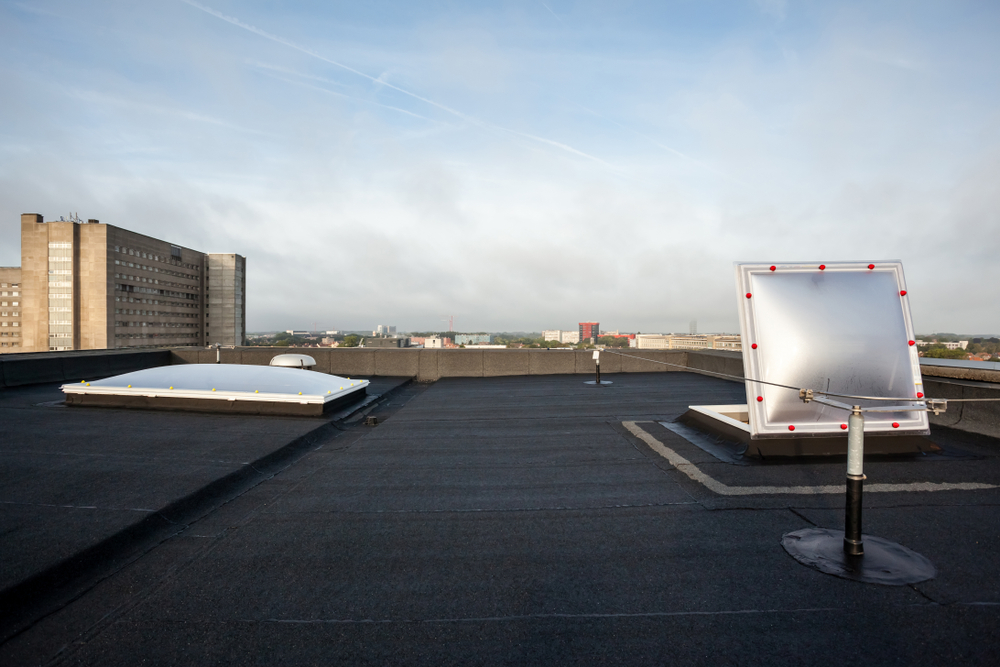
A “flat” roof isn’t truly flat—it’s a low-slope system built in layers to move water, resist wind, and protect the structure for years. Done correctly, a flat roof can be durable, energy-efficient, and easier to service than many steep-slope designs. Done poorly, it can become a cycle of ponding water, leaks, and repeated repairs.
This guide explains how to construct a flat roof in a practical, real-world sequence, with both residential and commercial considerations. It’s written to help you understand the system, plan intelligently, and know when professional installation is the safest move.
Plan the Roof System and Confirm the Slope
Before materials arrive on-site, how to construct a flat roof starts with planning the full assembly—structure, slope, drainage, insulation, and waterproofing—so every layer supports the next.
Understand What “Flat” Really Means
Flat roofs are designed with a slight pitch so water flows to drains, scuppers, or gutters instead of sitting on the surface. That small slope is easy to overlook visually, but it’s one of the biggest performance drivers of the entire roof. When you’re planning the layout, think in terms of water pathways: where water lands, where it travels, and how it leaves the roof reliably during heavy rain.
Choose the Right Roof Type for the Building
Residential flat roofs often prioritize clean aesthetics, good insulation, and quiet performance, while commercial flat roofs often prioritize durability, serviceability, and compatibility with rooftop equipment. A small home addition may need different details than a warehouse with multiple penetrations, curbs, and HVAC units. Planning the correct system up front prevents expensive changes later.
Decide Early on a Waterproofing Strategy
Waterproofing isn’t a single product—it’s a method. Single-ply membranes (like TPO, EPDM, or PVC) are common because they’re lightweight and can be installed with different attachment approaches depending on building type, wind exposure, and schedule. Selecting the membrane approach early lets you coordinate insulation layout, fastening patterns, flashing details, and edge terminations correctly.
Check Codes, Permits, and Safety Requirements
Even if you’re confident in the build, how to construct a flat roof properly includes local code compliance, permitting where required, and safety planning—because the “right” roof is the one that passes inspection and protects everyone on site.
Permits and Inspections Aren’t Just Paperwork
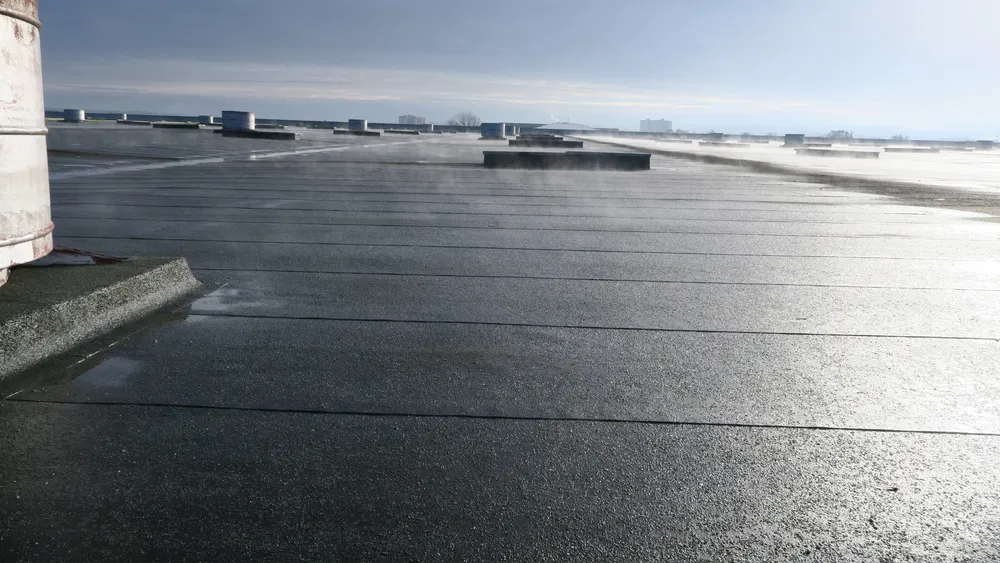
Many jurisdictions require permits for structural roof work, changes to drainage, or significant reroofing. The inspection process helps verify structural capacity, fire classification requirements, drainage compliance, and safe installation practices. Treat permitting as part of the project timeline, not an afterthought, because delays here can disrupt material scheduling and labor coordination.
Structural Engineering and Load Considerations
Flat roofs must handle dead load (roof layers), live load (people and temporary loads), and environmental loads like wind and rain accumulation. Commercial roofs may also need to accommodate rooftop units, walk pads, and service pathways. If the roof is new construction or a major modification, structural verification helps prevent deflection and long-term ponding issues.
Jobsite Safety Planning Matters on Low-Slope Roofs
Low-slope doesn’t mean low-risk. Edge protection, controlled access, and fall protection planning should be built into the work sequence, especially when crews are moving materials, using adhesives, or heat-welding membranes. A safe workflow improves quality too, because rushed or risky conditions often lead to sloppy detailing.
Build the Structural Deck and Substrate
Once planning is complete, how to construct a flat roof moves into the structural base: the deck and substrate must be solid, dry, properly fastened, and compatible with the system you’ll install above it.
Select a Deck Type That Fits the Building
Residential flat roofs often use wood sheathing over framing, while commercial buildings frequently use metal deck or concrete. Each deck type influences fastening methods, vapor control needs, and insulation attachment options. Matching the assembly to the deck is critical, because “one-size-fits-all” approaches can lead to weak attachment or moisture problems.
Ensure the Deck Is Flat, Sound, and Dry
A roof system can’t compensate for a compromised base. Rot, delamination, soft spots, and trapped moisture can turn into future failures, no matter how good the membrane is. This is the stage where thorough inspection and repairs pay off the most, because once insulation and membrane go down, hidden issues become harder and more expensive to correct.
Prep Details Before the Waterproofing Starts
Curbs, blocking, parapet backing, and attachment points for edges and flashings should be addressed before the membrane is installed. Flat roof failures often start at transitions, not in the open field of the roof. Good prep here makes the rest of the build cleaner, faster, and more reliable.
Create Slope and Drainage That Actually Works
If you’re wondering how to construct a flat roof that doesn’t leak, start with drainage: water must move off the roof predictably, even during storms, and even as the building naturally expands and shifts over time.
Build Slope Into the System (Not Just Hope for It)
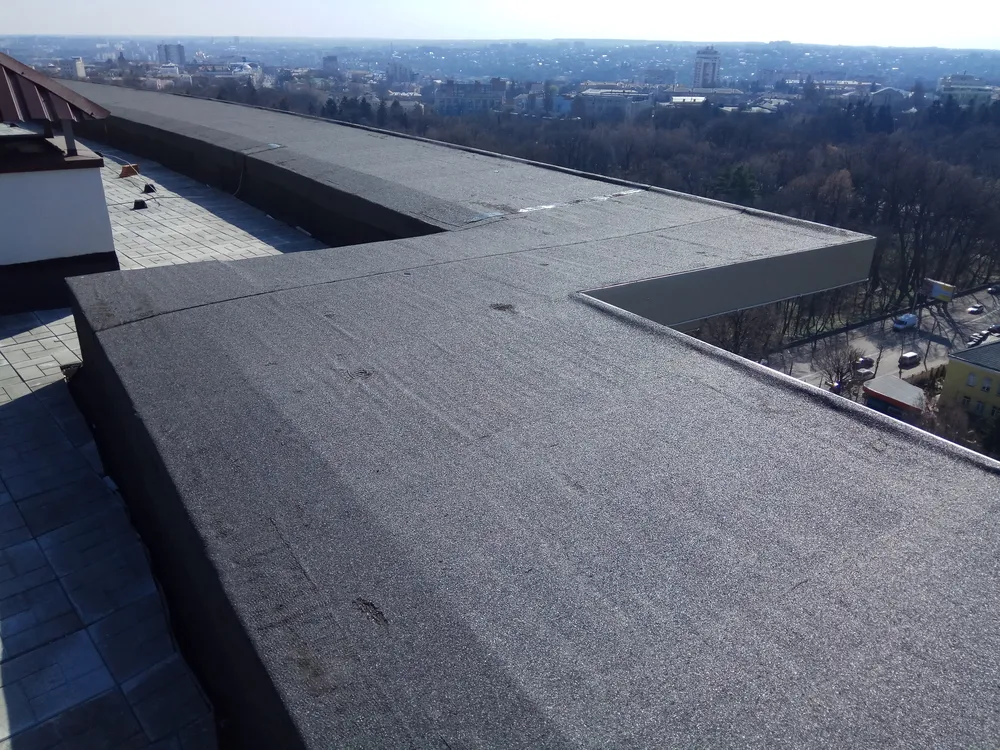
Slope can be created structurally (with framing) or with tapered insulation systems that guide water toward drains and scuppers. The key is consistency—random low spots are where ponding forms, and ponding stresses seams, flashings, and edges. Planning slope as a deliberate design feature is one of the biggest differences between a roof that lasts and one that becomes a maintenance trap.
Choose the Right Drainage Method for the Site
Some roofs use internal drains, others use scuppers through parapets, and many residential systems use perimeter gutters. The “best” option depends on building design, climate, maintenance access, and how the property handles water discharge. Good drainage design also considers overflow pathways so a clogged primary drain doesn’t become an interior leak.
Add Crickets and Tapering Around Penetrations
Large penetrations and rooftop units can interrupt water flow and create ponds behind them. Crickets (small raised slope structures) and tapered layouts help water move around obstacles. This detail is especially important on commercial roofs with multiple curbs and mechanical equipment.
Install Insulation and Vapor Control as a System
Energy performance and moisture control are central to how to construct a flat roof that stays stable over time, because trapped moisture can reduce insulation value, cause bubbling, and weaken adhesion or fastening integrity.
Pick Insulation Based on the Roof Design and Climate
Flat roofs commonly use rigid insulation, often in multiple layers to reduce thermal bridging and improve efficiency. The right insulation strategy depends on whether the roof is vented or unvented, the interior humidity conditions, and how the building is used. A well-designed insulation package improves comfort in homes and reduces HVAC load in commercial buildings.
Use Vapor Control Where It Belongs
Vapor barriers and air barriers are often misunderstood, and misplacing them can create condensation problems inside the roof assembly. The goal is to control warm, moist air movement and prevent it from condensing inside the roof layers. Correct vapor strategy is especially important in buildings with high interior humidity or major temperature swings.
Secure the Assembly to Prevent Movement and Gaps
Insulation boards must be attached in a way that prevents shifting, uplift, and long-term separation that can telegraph through the membrane. A stable substrate also improves seam integrity and reduces stress at transitions. Whether the system is adhered or mechanically attached, this layer is where stability begins.
Install the Waterproofing Membrane and Seams
This is the centerpiece of how to construct a flat roof: the waterproofing layer must be installed with disciplined detailing, clean seams, and the right attachment method for wind, budget, and building needs.
Compare Single-Ply Membranes in Practical Terms
TPO is often chosen for its heat-welded seams and reflective surface, EPDM is known for flexibility and straightforward detailing, and PVC is valued for chemical resistance and weldability in certain environments. The best choice depends on roof use, exposure conditions, and how many penetrations and details the roof includes. The membrane isn’t just a material decision—it’s a system decision.
Choose an Attachment Method That Fits the Project
Membranes can be fully adhered, mechanically attached, or installed with other system approaches depending on the roof design and wind exposure. Attachment affects installation speed, repair approach, and long-term performance. A properly specified attachment method helps the roof resist uplift and reduces the chance of wrinkles, fluttering, or premature seam stress.
Seam Quality Is Non-Negotiable
Seams are where many failures start. Whether seams are heat-welded or bonded, they require clean surfaces, correct temperature or adhesive conditions, and consistent technique. Seam checks during installation help catch small issues early—before water finds them.
Roof Edges, Wind Uplift, and Perimeter Details
A major reason systems fail is the perimeter, and how to construct a flat roof that holds up in real weather includes strong edge metal, secure terminations, and wind-conscious detailing.
Why the Perimeter Takes the Most Stress
Wind pressures are often greatest at corners and edges. Even if the field of the roof is installed perfectly, weak perimeter attachment can lead to lifting, peeling, or membrane damage that cascades into larger failures. Edge details aren’t optional finishing touches—they’re structural components of roof performance.
Termination Bars, Copings, and Edge Metal Must Be Planned
Edge systems should be compatible with the membrane type, wall conditions, and drainage plan. Parapet copings, gravel stops, and fascia details should be installed so water sheds outward and the membrane termination remains protected. Good edge work also makes future inspections easier, because problems become visible before they become leaks.
Detail Corners and Transitions Like They’re Leak Magnets
Corners, inside/outside transitions, and complex intersections deserve extra attention because they concentrate stress and create opportunities for small gaps. High-quality corner detailing is one of the simplest ways to extend roof life, especially on roofs exposed to high winds or frequent temperature swings.
Quality Checks, Maintenance, and Long-Term Protection
Even after installation, how to construct a flat roof successfully includes verification and a maintenance plan, because the best roof is the one that stays dry, drains well, and gets small issues handled before they become major repairs.
Final Walkthrough and Leak-Prevention Checks
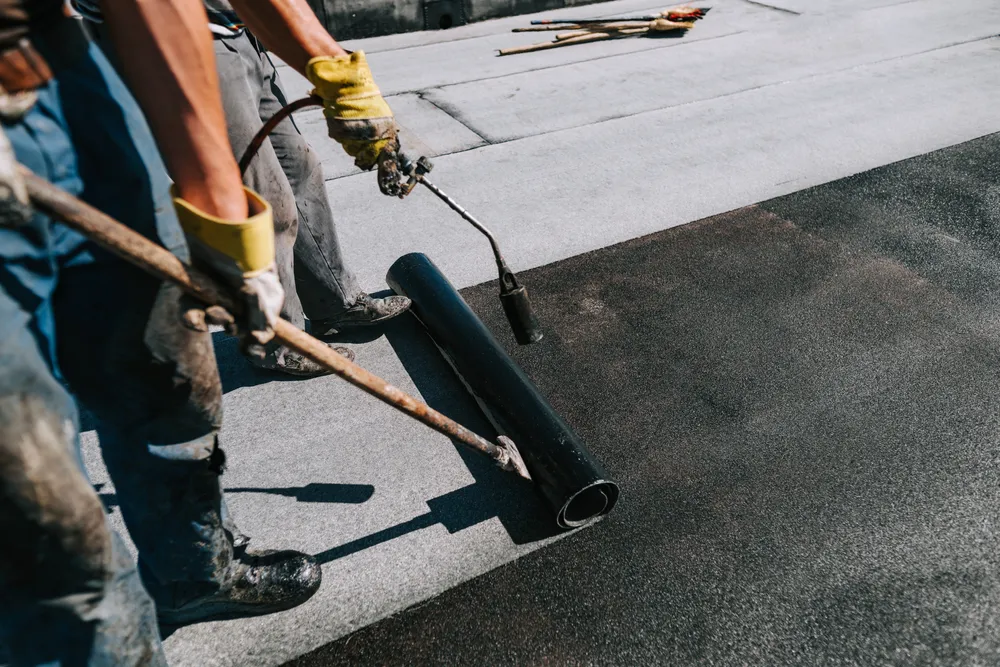
A proper closeout includes checking seams, flashings, terminations, penetrations, and drainage performance. It also includes confirming that water flows correctly and that no low spots are forming. Catching issues at the end of the build is far cheaper than chasing a leak after interior finishes are affected.
Maintenance That Protects the Warranty and the Roof
Most flat roofs fail faster when debris blocks drains, foot traffic damages the membrane, or small punctures go unnoticed. A simple maintenance rhythm—clearing drains, inspecting seams and flashings, and checking around rooftop equipment—keeps the system reliable. Commercial buildings should also coordinate roof access and walkway protection for service crews.
Repairs Should Match the Membrane System
Flat roofs aren’t all repaired the same way. The best repair method depends on the membrane type and how it was installed. Using the correct repair approach maintains watertightness and avoids patch incompatibility that can worsen problems over time.
FAQs
How long does it take to construct a flat roof?
Project time varies by roof size, weather, and complexity, but most residential flat roof builds or replacements take days, while commercial projects can take longer due to staging, safety planning, and rooftop equipment detailing.
Is a flat roof more likely to leak than a pitched roof?
A flat roof isn’t “more likely” to leak if it’s built correctly, but it is less forgiving of poor drainage and weak detailing. Proper slope, strong seams, and well-built flashings are the difference makers.
What is the best material for a flat roof?
There isn’t one universal “best.” Single-ply membranes such as TPO, EPDM, and PVC are popular because they’re durable and serviceable. The right choice depends on climate, building use, exposure, and detailing complexity.
Do I need insulation in a flat roof?
In most cases, yes. Insulation improves comfort and energy performance and can also help create slope through tapered systems. The correct approach depends on building design and local requirements.
Can I construct a flat roof myself?
Small, simple structures may be possible for experienced builders, but flat roofs are detail-sensitive and safety-critical. Many property owners hire specialists because membrane installation, edge detailing, and drainage design are where failures typically occur.
How do I stop ponding water on a flat roof?
Ponding is addressed by improving slope and drainage paths, correcting low spots, and ensuring drains/scuppers remain clear. Persistent ponding often requires professional evaluation of the roof assembly.
Conclusion
If you take one idea away from this guide, it’s this: how to construct a flat roof isn’t about one “magic” layer—it’s about building a complete system that manages water, controls moisture, resists wind, and stays serviceable for the long haul. When the deck is sound, slope is intentional, drainage is reliable, and the membrane is detailed correctly at seams, penetrations, and edges, a flat roof can perform exceptionally well on both homes and commercial buildings.
That’s exactly what we focus on at Single Ply Roofing Experts. We handle residential and commercial flat roofing with single-ply systems designed for real conditions—clean detailing, dependable drainage planning, and workmanship that prioritizes long-term performance. If you’re planning a new build, replacing an aging roof, or dealing with recurring leaks, we can evaluate your roof goals and recommend the right single-ply solution to keep your property protected. Get a quote today.