
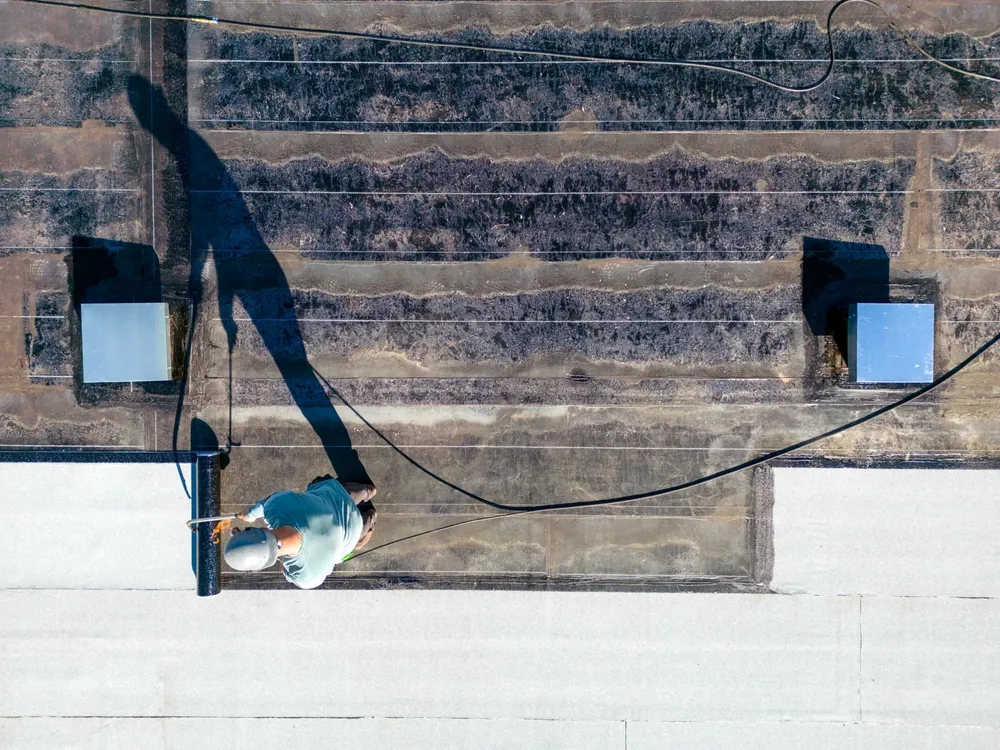
Choosing the right roofing system is not just about picking a material name and hoping for the best. The right membrane depends on how the building is used, how water drains, how much foot traffic the roof gets, and how the system is installed and detailed. When you match the membrane type to real-world conditions, you get fewer leaks, less maintenance, and a longer service life.
This guide breaks down how to evaluate your options in a practical way, whether you are managing a commercial facility or upgrading a residential flat roof.
Start With Your Roof’s Use and Risk Profile
Before you compare brands or prices, the smartest way to select a flat roof membrane is to define what your roof needs to handle day to day and year to year.
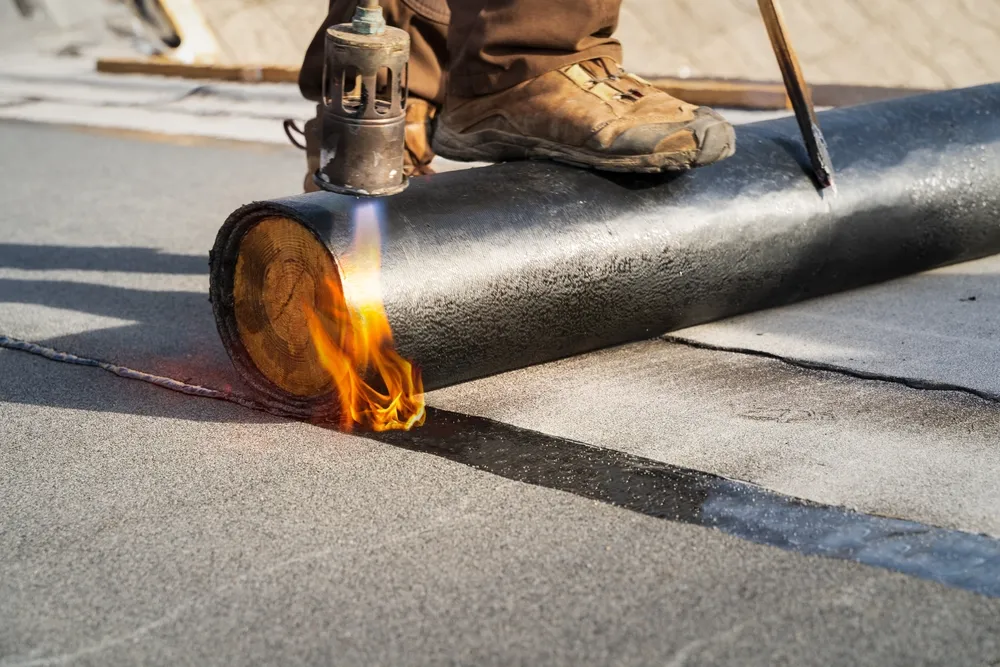
Roofs fail when the system does not match the building’s reality, not because the material was “bad.”
Commercial vs Residential Needs Are Not the Same
Commercial roofs often deal with rooftop HVAC units, service foot traffic, penetrations, and higher exposure to maintenance work over time. Residential flat roofs may have fewer penetrations but more complex edges, living-space sensitivity below, and a higher need for quiet, clean jobsite practices during installation. The right choice starts with how the roof will be used, not just what looks good on paper.
Climate, Sun, and Temperature Swings Matter
A roof in extreme heat, intense sun, or frequent freeze-thaw cycles needs a material and installation approach that can handle expansion and contraction without stressing seams and flashings. If your building sees strong UV exposure or high surface temperatures, the membrane should be selected with performance under those conditions in mind.
Foot Traffic and Rooftop Equipment Change the Decision
If techs are on the roof regularly, or if you have equipment that vibrates, drains condensate, or requires frequent servicing, you want a system designed to tolerate movement, maintenance, and wear. In those cases, membrane choice and protective walkway planning become part of the same decision.
Compare the Main Single-Ply Membrane Options
Most modern single-ply systems fall into three common families, and picking the right flat roof membrane is often a decision between TPO, EPDM, and PVC based on performance priorities rather than popularity.
TPO: A Strong All-Around Option for Many Roofs
TPO is widely used because it can deliver a solid balance of durability, heat-reflective performance, and overall value when installed correctly. It is often chosen for larger commercial roofs and many residential applications where owners want energy-conscious performance and a clean system layout. The long-term success of TPO depends heavily on correct heat-welded seams and quality edge and flashing work.
EPDM: Proven Flexibility and Weather Tolerance
EPDM is known for its flexibility and ability to handle building movement and temperature swings. It has a long history in flat roofing and can be a great fit for certain buildings, especially where flexibility and resilience are priorities. Seam strategy and detailing still matter, and the performance you get depends on whether the system is installed and maintained to match your roof conditions.
PVC: Chemical Resistance and Strong Seam Performance
PVC is often selected where chemical exposure, grease, or certain rooftop conditions are a concern, such as restaurants or buildings with specific exhaust outputs. It is also valued for strong heat-welded seams and reliable long-term performance when properly installed. If your roof environment is harsher than typical, PVC can be worth considering as a premium solution.
Choose the Right Attachment Method
Selecting a flat roof membrane is only half the story, because how the membrane is attached can affect wind resistance, long-term stability, noise, and even how the roof handles temperature changes.
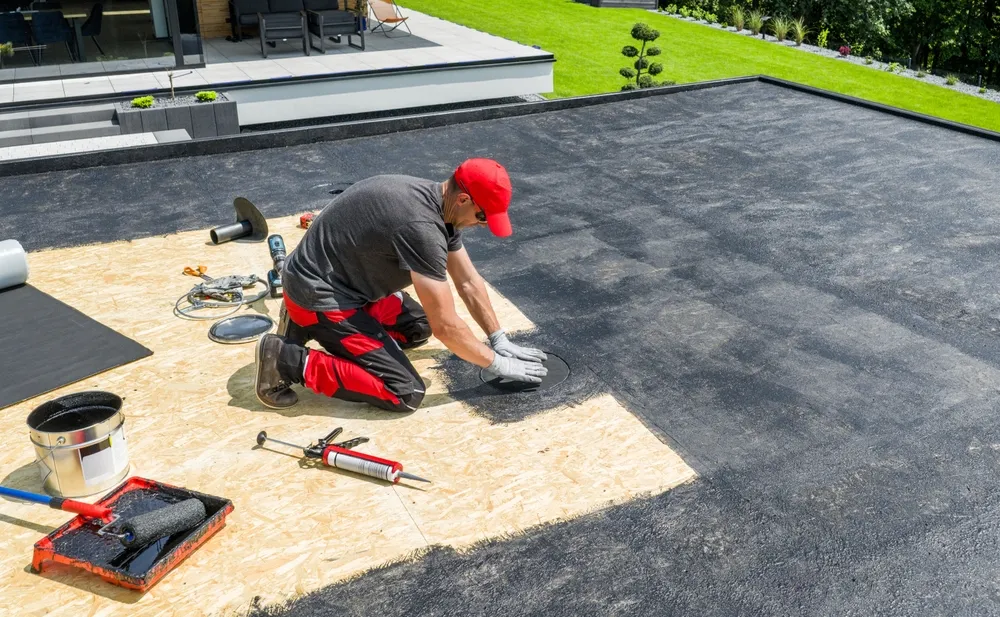
Fully Adhered Systems for Stability and A Clean Finish
Fully adhered installation bonds the membrane to the substrate, which can reduce fluttering and improve the roof’s “solid” feel in wind. It is often preferred for certain buildings where aesthetics, noise reduction, and consistent surface behavior matter. Substrate prep becomes critical here, because adhesion performance depends on the condition of the underlying layers.
Mechanically Attached Systems for Efficient Installation
Mechanical attachment can be efficient and effective, especially on larger roofs where speed and cost control matter. This method relies on fastening patterns and proper seam welding to maintain wind performance. In the wrong conditions, it can be noisier or show more membrane movement, which is why it should be selected based on building exposure and expectations.
Ballasted Systems and When They Make Sense
Ballasted roofs use weight, such as stone ballast or pavers, to hold the membrane in place. They can be useful in specific scenarios but are not appropriate for every building due to structural load, drainage considerations, and maintenance complexity. If ballast is being considered, it should be evaluated alongside structural capacity and long-term service needs.
Focus on Seams, Flashings, and Penetrations
A flat roof membrane can be high quality and still leak if the details are rushed. Most failures happen at transitions, edges, seams, and penetrations, so choosing the “right membrane” must include choosing the right detailing plan.
Seam Strategy Is a Performance Multiplier
Seams are where water finds opportunity. A properly welded or properly treated seam system is what turns a sheet material into a watertight roof. Ask how seams are prepared, how quality is checked, and how the contractor ensures consistent results across the entire roof area.
Flashings and Terminations Matter More Than People Think
Parapet walls, edge metal, curbs, skylights, and vertical transitions are high-risk zones. The membrane choice should match the flashing approach so the system moves with the building without cracking or pulling away. A reliable installer will talk in detail about terminations, edge reinforcement, and how water is directed away from vulnerable areas.
Penetrations Should Be Designed for Maintenance Reality
Pipes, drains, conduits, and rooftop units all require penetration detailing that stays watertight even when other trades work nearby. If your roof has frequent service visits, planning protective zones and durable curb details can reduce accidental damage and costly leak investigations later.
Evaluate Insulation, Slope, and Drainage as a System
Choosing a flat roof membrane without evaluating what is underneath it leads to poor outcomes, because the membrane is only as good as the drainage and insulation design supporting it.

Roof performance depends on the system, not just the top layer.
Tapered Insulation and Slope Planning Reduce Ponding Risk
Flat roofs should not behave like ponds. Even small low spots can shorten roof life and increase leak risk over time. Tapered insulation is often used to guide water toward drains and away from seams and edges, and it can dramatically improve long-term reliability when designed correctly.
Insulation Type and Thickness Affect Comfort and Cost
Insulation affects interior comfort, energy use, and condensation risk. The best plan is one that matches code requirements, building use, and performance expectations without creating moisture issues. A contractor should be able to explain why a specific insulation strategy fits your building and what trade-offs are involved.
Drain Locations and Overflow Protection Must Be Confirmed
Drainage is not just “where the drain is.” It includes how water reaches it, what happens during heavy storms, and whether overflow paths prevent water from backing up into places it should not. Good planning here prevents the membrane from being blamed for drainage problems that were never solved.
Plan for Foot Traffic, Maintenance, and Future Changes
A flat roof membrane should be chosen with the future in mind, because many roofs fail prematurely due to unplanned foot traffic and later penetrations. The best membrane is the one that can live through real building operations.
Walkway Pads and Protection Where People Actually Walk
If people service HVAC units or access rooftop equipment, the roof should include protection in those zones. Walkway planning reduces abrasion, protects seams, and makes the roof easier to service without damage.
Future Equipment and Penetrations Should Be Anticipated
Many leaks start when a new cable run, new curb, or new vent is added without proper detailing. Planning for likely future modifications makes the roof more resilient and reduces the temptation for quick fixes that compromise the system.
Maintenance Expectations Should Be Clear Up Front
Every roof benefits from periodic inspection. Even a strong membrane system can develop small issues at flashings, seals, and drains over time. A clear maintenance plan helps you catch small problems before they become interior damage.
Compare Warranties and Total Cost the Smart Way
A flat roof membrane decision should include warranty clarity and total lifecycle cost, not just the lowest bid.
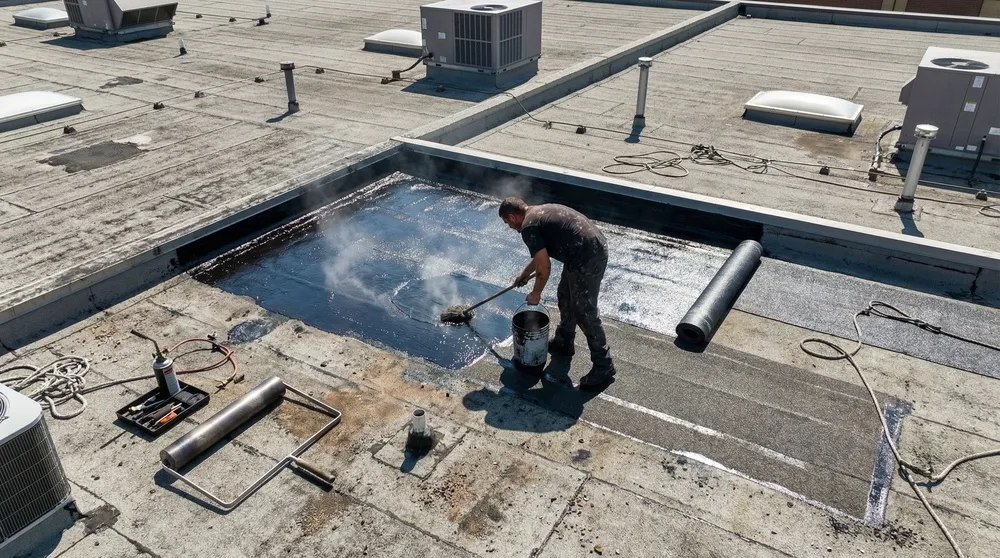
A cheaper install can become expensive if the system needs frequent repairs or fails early.
Material Warranty vs Workmanship Coverage
Warranties vary widely, and they are not all the same. The most important thing is understanding what is covered, what is excluded, and what responsibilities you have as the owner. A strong contractor explains this clearly and provides documentation that supports your warranty long term.
What Can Void Coverage Without You Realizing
Some warranties require certain drainage conditions, specific installation methods, approved accessories, or documented maintenance. If these details are ignored at install time, you can lose protection later. Make sure the proposal includes the full system approach, not only the membrane.
Value Comes From Performance, Not the Cheapest Square Foot
The best value is a roof that performs for years with fewer surprises. If one system costs more but avoids repeated patching, interior damage risk, and downtime, it can be the smarter financial decision over the roof’s life.
FAQ
Which Flat Roof Membrane Lasts the Longest?
Lifespan depends on the membrane type, installation quality, drainage design, and maintenance. A well-designed system with strong detailing often outlasts a “better” material installed poorly.
Is TPO Better Than EPDM?
TPO and EPDM can both perform well when properly installed. The best option depends on your building’s exposure, movement, drainage, and the installation method that fits your roof.
Do I Need a Full Replacement or Can I Restore My Roof?
Some roofs can be repaired or restored if the underlying system is still sound and moisture issues are limited. If insulation is saturated or failures are widespread, replacement may be the safer long-term plan.
How Do I Know If My Roof Has Ponding Water Problems?
If water sits on the roof long after rainfall, drainage improvement may be needed. A contractor can assess slope, drain function, and low areas to determine the best corrective approach.
How Often Should a Flat Roof Be Inspected?
Most buildings benefit from periodic inspections, especially after major storms or seasonal shifts. Regular checks help identify drain issues, seam wear, and flashing concerns early.
Conclusion
Choosing the right membrane comes down to matching the system to your building’s use, climate, drainage, and long-term maintenance reality. When you compare single-ply options, evaluate attachment methods, and focus on seams, flashings, and drainage planning, you dramatically improve the odds of a roof that stays watertight and lasts as long as it should.
At Single Ply Roofing Experts, we help both commercial and residential clients select and install high-performing single-ply systems with the details done right. If you want expert guidance on the best membrane option for your building, plus a plan built around durability, drainage, and long-term performance, our team is ready to help you move forward with confidence. Get a quote now.