
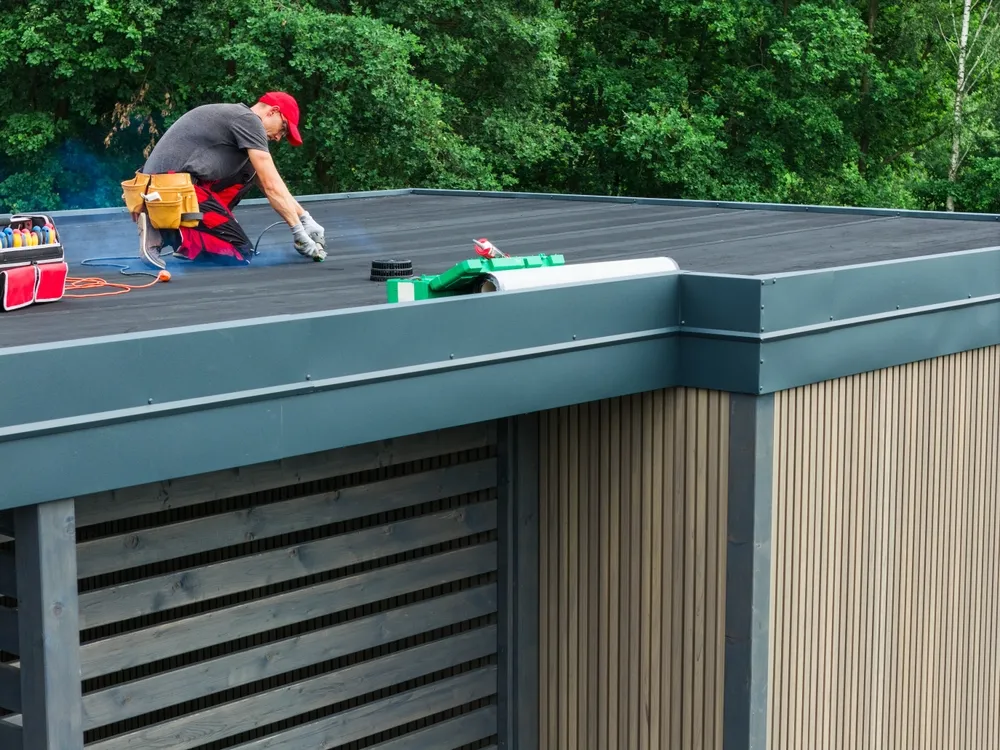
Flat roofs can be extremely durable, but their lifespan depends on more than the material name on the quote. The quality of installation, drainage design, foot traffic, sun exposure, and maintenance habits often matter just as much as the membrane itself.
If you’re trying to budget for a replacement, compare bids, or decide whether repairs are worth it, this guide will walk you through realistic lifespan ranges, what shortens roof life, and how to keep a flat roof performing longer—whether it’s on a home, office, retail space, or industrial building.
Typical Lifespan Ranges by Flat Roof Type
If you’re asking how long does a flat roof last, the most helpful starting point is understanding typical lifespan ranges by roof system, while remembering that real-world performance depends heavily on install quality and upkeep.
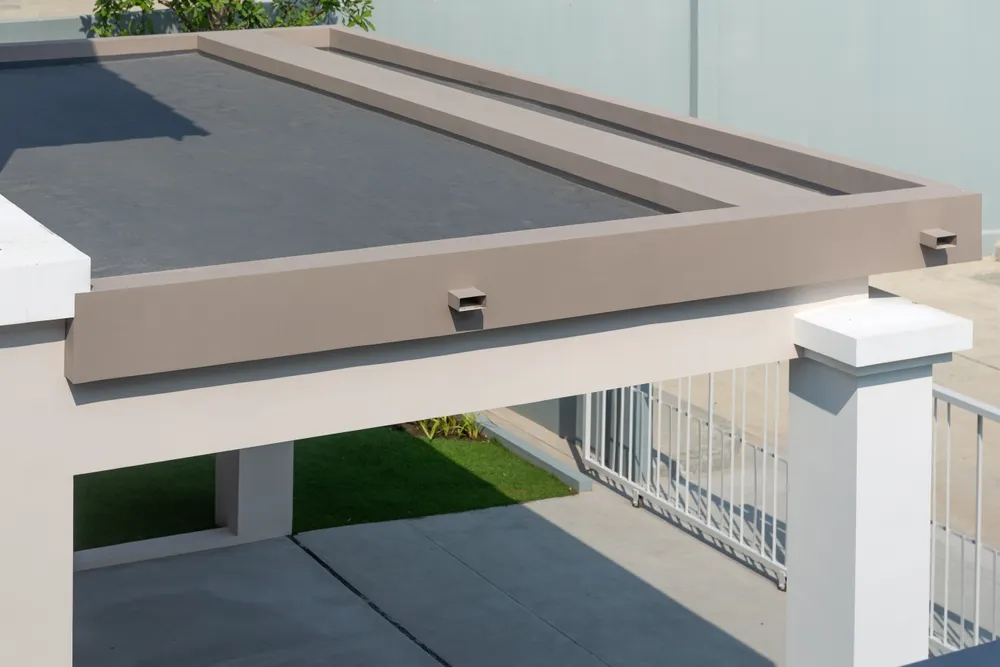
Single-Ply Membranes: TPO, EPDM, and PVC
Single-ply roofs are among the most common modern flat roof systems for both commercial and residential projects. EPDM (rubber) is known for flexibility and long-term durability when details are done correctly. TPO is popular for its heat-welded seams and reflective surface, which can help with energy performance in sunny climates. PVC is often chosen where chemical resistance or grease resistance matters, such as restaurants or certain industrial areas. In well-installed, well-maintained conditions, single-ply systems commonly land in a broad range from the mid-teens into multiple decades, depending on thickness, detailing, and exposure.
Modified Bitumen (Mod Bit)
Modified bitumen is an asphalt-based system that’s often installed in multiple layers and can be torched, adhered, or mechanically attached depending on the design. It’s valued for toughness and redundancy, especially on roofs with frequent service traffic. Lifespan commonly depends on how well seams, transitions, and flashings are handled, and whether the surface is protected from UV and physical wear.
Built-Up Roofing (BUR)
BUR is a traditional multi-ply system (often called “tar and gravel” even when gravel isn’t used). It can be long-lasting because multiple layers provide durability and puncture resistance, but it’s also heavier and more labor-intensive. Performance varies widely based on drainage, workmanship, and how well the surface is protected from sun and foot traffic.
Spray Polyurethane Foam (SPF)
Spray foam roofs can last a long time when they’re recoated on schedule, because the foam itself is protected by the coating system. The “clock” on SPF is often tied to recoat timing rather than foam failure. When maintenance is consistent, SPF can be a strong option; when recoating is neglected, UV exposure can shorten performance quickly.
What Most Affects How Long a Flat Roof Lasts
To answer how long does a flat roof last in your specific case, you need to look at the conditions the roof experiences every day, because those conditions determine how quickly materials age and details wear out.
Drainage and Ponding Water
Water management is one of the biggest lifespan drivers. A flat roof isn’t truly flat, and it must move water to drains, scuppers, or gutters. When water sits (ponding), it increases stress on seams, penetrations, and transitions, and it can accelerate surface aging. Even a strong membrane will struggle if drainage is consistently poor or drains clog frequently.
Sun, Heat, and UV Exposure
UV and heat cycles slowly break down roofing materials over time. In hot climates, the roof expands and contracts more dramatically, which stresses seams and flashings. In cooler climates, freeze-thaw cycles can create their own challenges, especially if water is trapped in low spots. A roof with strong UV resistance, correct thickness, and well-executed details generally ages more gracefully.
Foot Traffic and Rooftop Equipment
Many commercial flat roofs experience regular foot traffic from HVAC service, telecom work, and inspections. Over time, repeated walking paths can scuff surfaces, loosen details, and cause punctures. Roofs with walk pads, service pathways, and good access planning usually last longer because they reduce random damage. Even residential flat roofs can suffer when people store items on the roof or access it without protection.
Installation Quality: The “Invisible” Lifespan Factor
When people ask how long does a flat roof last, they often focus on material choice, but installation quality is frequently the real difference between a roof that reaches its expected lifespan and a roof that needs major repairs early.
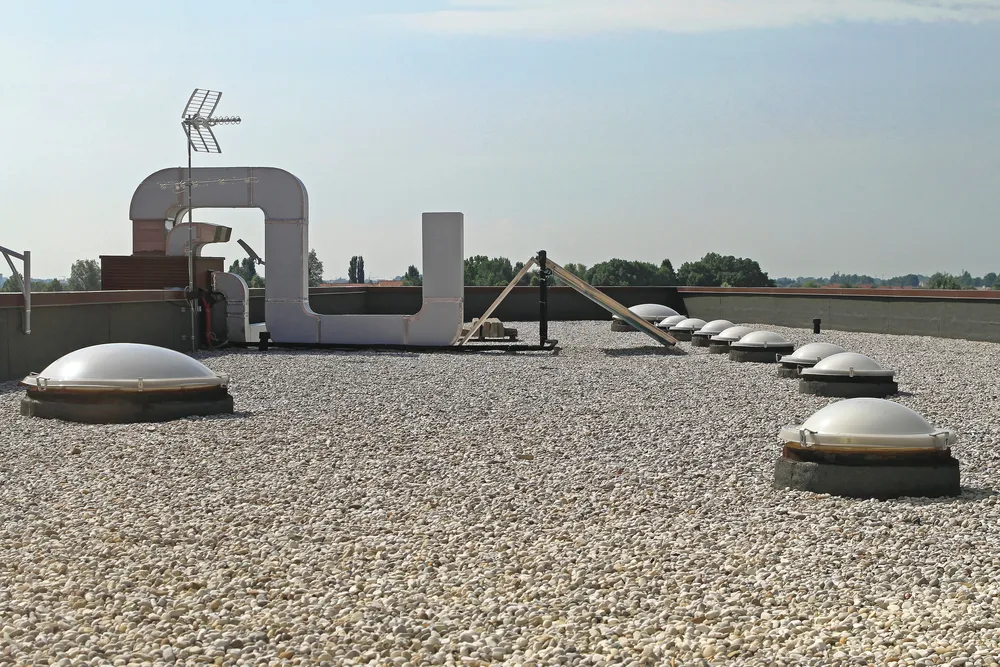
Flashings and Edge Details Decide the Outcome
Most leaks don’t start in the wide open field of the roof—they start at edges, penetrations, walls, and transitions. Termination points, parapet details, coping caps, and drip edges must be designed and installed to handle wind, water, and thermal movement. If these details are weak, even a premium membrane can fail prematurely.
Seam Work and Attachment Method Matter
For heat-welded membranes, seam quality must be consistent and verified during installation. For adhered systems, adhesion depends on surface prep, weather conditions, and correct adhesive usage. For mechanically attached systems, the fastening pattern and securement details matter for wind resistance. A roof that’s installed “good enough” can look fine on day one but show problems when weather and movement test it.
Substrate Prep and Moisture Control
A roof system is only as good as what it’s installed over. Wet insulation, compromised decking, or uneven substrates can create long-term issues like bubbling, poor adhesion, and soft spots. Proper tear-off decisions, moisture checks, and substrate repairs are not glamorous—but they’re often the reason one roof lasts much longer than another.
Maintenance: The Fastest Way to Extend Roof Life
If you’re trying to maximize value, how long does a flat roof last is often directly tied to maintenance habits, because small issues become expensive problems when they’re ignored.
Routine Inspections Catch Small Failures Early
A simple inspection routine—especially after major storms—can identify early warning signs like lifting edges, seam separation, punctures, cracked sealant, or debris buildup. The earlier you catch these, the cheaper they are to fix, and the less likely they are to become interior damage.
Drain Cleaning and Debris Management
Clogged drains are a top cause of ponding and leak events. Leaves, gravel, trash, and rooftop debris can block drainage paths and force water to find weak points. Keeping drains, scuppers, and gutters clear is one of the most direct ways to extend roof performance without major cost.
Protect High-Traffic Areas
Walk pads and defined service routes reduce random wear and punctures. If service teams regularly access rooftop equipment, adding protection where they walk most can preserve the membrane and keep details intact. This is especially important on commercial roofs, but it can also apply to residential flat roofs with regular access.
Signs Your Flat Roof Is Near the End of Its Life
A practical way to think about how long does a flat roof last is to look for symptoms that the roof is no longer behaving like a system, because end-of-life often shows up as patterns, not one isolated leak.
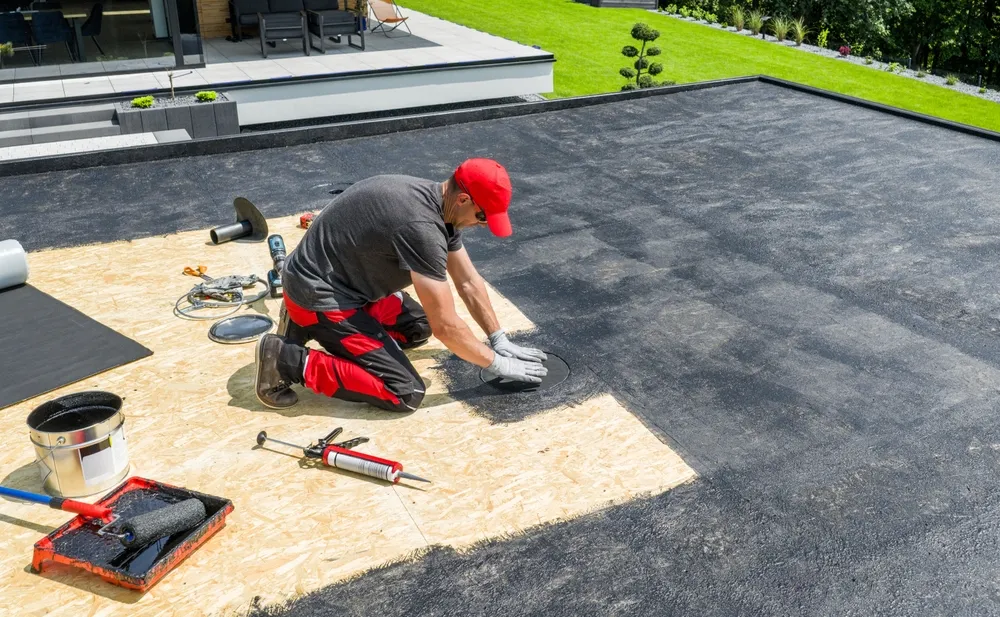
Repeated Leaks in Different Areas
One leak can be a simple repair. Multiple leaks in different locations—especially over time—often indicate aging seams, deteriorating flashings, or moisture trapped in the assembly. When repairs become frequent and unpredictable, it’s usually a sign the roof is nearing replacement territory.
Membrane Cracking, Blistering, or Seam Separation
Visual deterioration matters, especially when it involves seams, transitions, and terminations. Blistering can suggest trapped moisture or adhesion problems. Cracking or brittleness can indicate advanced aging. Seam separation is a red flag because seams are meant to remain consistently watertight under movement and weather.
Persistent Ponding and Soft Spots
If ponding is getting worse, the roof may be deflecting, insulation may be compressing, or drainage paths may be failing. Soft spots can indicate moisture intrusion into insulation or substrate problems. These symptoms don’t always mean immediate replacement, but they do mean the roof needs a professional evaluation sooner rather than later.
Repair vs Restore vs Replace: Making the Right Call
For many property owners, how long does a flat roof last becomes a decision question: should you repair it, restore it, or replace it—and the best answer depends on condition, moisture, and long-term goals.
When Repair Makes Sense
Repairs make sense when the roof is generally sound and issues are localized—like a puncture, one compromised flashing, or a small seam problem. If the underlying insulation is dry and the system is performing well overall, targeted repairs can add meaningful life.
When Restoration Can Be a Smart Middle Step
Restoration approaches—such as coatings in appropriate situations—can be effective when the roof is still structurally solid but needs renewed surface protection. The goal of restoration is to extend service life without full replacement, but it only works when prep is correct and the roof is a good candidate (not saturated, not failing at edges, not riddled with widespread detail breakdown).
When Replacement Is the Best Value
Replacement is often the best decision when moisture is widespread, failures are recurring, or the roof has reached the point where patching becomes a never-ending cycle. Replacement also lets you correct root causes like poor drainage design, inadequate insulation, or weak edge details that were built into the roof from the beginning.
How Climate and Building Use Change Lifespan Expectations
Another important angle on how long does a flat roof last is understanding that climate and building use can shift expectations dramatically, even when two roofs use the same material.
Coastal, Windy, and Storm-Prone Areas
High winds stress edges, corners, and attachment methods, which means detailing and securement become even more important. Salt air and frequent storms can accelerate wear on certain components. In these areas, choosing the right system design and perimeter strategy can have a bigger impact than simply choosing a “premium” material.
Hot Sun vs Cold Freeze-Thaw Conditions
In hot, sunny regions, UV and thermal cycling are constant. In cold regions, freeze-thaw cycles and ice can stress details and drainage performance. The best-performing roofs are usually the ones designed for the local reality: correct insulation strategy, reliable drainage, and details that handle movement without cracking or lifting.
Residential vs Commercial Use Patterns
Commercial roofs typically see more foot traffic and more penetrations due to equipment. Residential flat roofs may have fewer penetrations but can still be challenged by poor drainage, shaded areas that hold moisture longer, or aesthetic-driven designs that overlook practical service access. Matching the roof system to how the building is actually used is a major lifespan advantage.
Warranty vs Real-World Lifespan (What to Know)
When homeowners and facility managers ask how long does a flat roof last, warranties often come up—so it’s important to understand how warranty terms relate to real-world performance.
Why Warranty Length Isn’t the Same as Roof Life
A warranty is a set of terms and conditions, not a guarantee that nothing will happen. Warranties can vary in what they cover, what they exclude, and what maintenance is required. A roof can outlast its warranty, and a roof can also fail early if details, drainage, or installation quality are poor.
What Usually Voids Coverage
Common issues include improper repairs, unapproved penetrations, neglected maintenance, or damage caused by third-party work on rooftop equipment. The key is having a documented maintenance routine and using qualified contractors for repairs so you don’t accidentally compromise coverage.
How to Use Warranty Terms to Ask Better Questions
Even if you’re not a roofing expert, warranty language can guide your decision-making. Ask how the system is designed to handle your building’s drainage, traffic, and wind exposure. Ask what maintenance is expected. Ask what the replacement process looks like if a problem appears. Those answers often reveal whether the roof is being planned as a long-term system or just installed to meet a minimum requirement.
FAQs
How long does a flat roof last on average?
Many flat roofs commonly last anywhere from the mid-teens to several decades depending on the system, installation quality, drainage, climate, and maintenance.
How long does a flat roof last if it’s a single-ply membrane?
Single-ply systems like TPO, EPDM, and PVC often deliver long service life when details are done correctly and the roof is maintained, but results vary based on thickness, attachment method, and site conditions.
What shortens a flat roof’s lifespan the most?
Poor drainage and ponding water, weak flashing and edge details, heavy foot traffic without protection, and neglected maintenance are some of the biggest lifespan killers.
How do I know if my flat roof needs replacing?
Repeated leaks in multiple areas, failing seams or flashings, persistent ponding, soft spots, or widespread visible deterioration usually signal that the roof needs a professional evaluation and may be nearing replacement.
Can maintenance really extend flat roof life?
Yes. Regular inspections, drain cleaning, and quick repairs for small issues can add meaningful years by preventing water intrusion and stopping minor damage from spreading.
Is it cheaper to repair or replace a flat roof?
Repairs are cheaper short-term if the roof is otherwise sound. Replacement is often better value when issues are widespread, moisture is trapped in the assembly, or repairs have become frequent and unpredictable.
Conclusion
So, how long does a flat roof last? The honest answer is that the material sets the baseline, but drainage, detailing, installation quality, and maintenance decide the outcome. A well-designed flat roof that sheds water properly, has strong edge and flashing details, and gets routine inspections can often deliver years of reliable performance beyond what most people expect. On the other hand, a roof with ponding water, neglected drains, and stressed seams can feel “old” long before it should.
At Single Ply Roofing Experts, we help both residential and commercial property owners make smart, cost-effective decisions—whether that means a targeted repair, a restoration strategy, or a full replacement with a modern single-ply system. If you want a clear, practical assessment of your roof’s remaining life, we can inspect the critical areas (drainage, seams, flashings, and edges), explain what we’re seeing in plain language, and recommend the best next step to protect your building and your budget. Get a quote from us today.