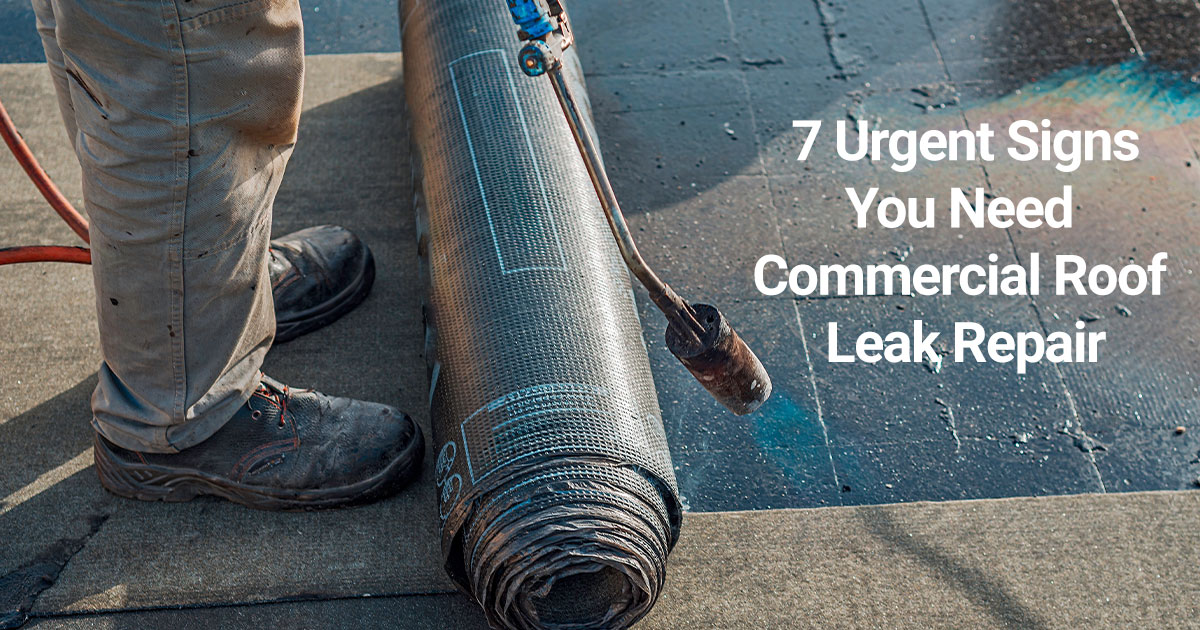
Commercial roofs are designed to protect the building envelope, mechanical systems, tenants, equipment, and long term operational continuity. When moisture begins to enter the assembly, even in small amounts, the consequences escalate faster than most owners expect. Leaks often begin subtly and silently. By the time a visible water stain appears on an interior ceiling panel, the roof may already have absorbed water in the insulation, compromised thermal values, loosened seams, or weakened attachment points.
Our team of single ply roofing experts sees the same pattern repeatedly. Building owners wait for clear symptoms of trouble before taking action, assuming the leak is isolated or minor. In reality, water intrusion spreads horizontally, infiltrates insulation layers, corrodes fasteners, damages electrical systems, and contributes to mold development long before it becomes visible inside the building. Early detection and professional intervention protect the roof structure, extend service life, and reduce repair costs.
This guide outlines the seven most urgent signs that your commercial roof needs immediate leak repair. These signs apply to TPO, PVC, EPDM, modified bitumen, and built up systems. Whether your building is a warehouse, retail center, distribution facility, school, office complex, or industrial plant, recognizing these indicators early can prevent costly structural damage and protect your operations.
Why Commercial Roof Leaks Begin and Why They Spread Quickly
A commercial roof is constantly exposed to UV radiation, temperature swings, wind uplift forces, mechanical foot traffic, equipment vibration, and debris accumulation. Over time, seams weaken, flashings fatigue, drains clog, and substrates absorb moisture. Single ply membranes remain durable when installed correctly, but every roofing system is vulnerable to certain stressors. Once moisture finds a path into the system, it does not remain localized. Insulation absorbs water like a sponge, and moisture travels horizontally under the membrane or between insulation layers.
The goal of commercial roof leak repair is not simply to stop visible drips. Effective repair eliminates the source of intrusion, removes compromised materials, restores membrane integrity, and ensures the system performs consistently across the entire roof.
Below are the seven urgent signs that demand immediate attention.
7 Urgent Signs You Need Commercial Roof Leak Repair
Water Stains or Discoloration Inside the Building
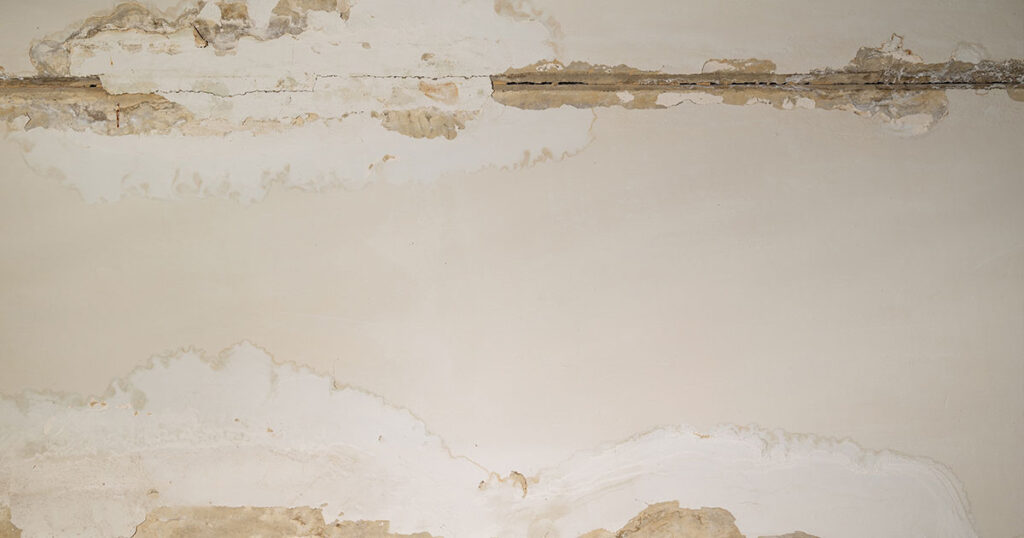
Visible staining on ceiling tiles, drywall, or interior walls is one of the clearest indicators of roof leakage. However, interior staining is usually a late stage warning. By the time water becomes visible inside the building, it has often traveled through insulation, deck joints, or mechanical chases. This means the membrane has been compromised for a significant period.
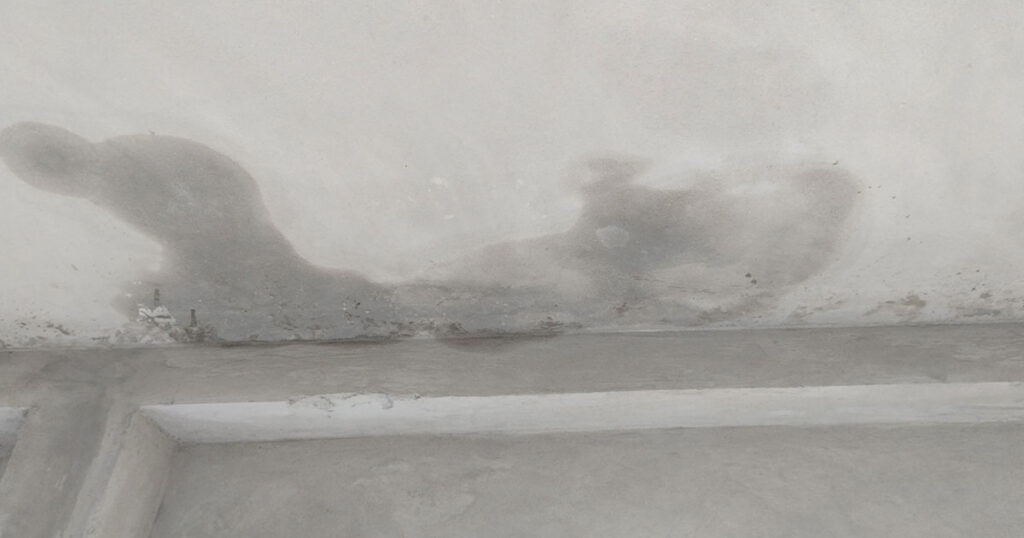
As roofing experts, we evaluate the area above the stain, inspect the drainage paths, probe the membrane for moisture pockets, and trace the source of intrusion. Interior discoloration should never be ignored. Even small spots indicate water movement within the assembly.
Bubbling, Blistering, or Membrane Swelling on the Roof Surface
When water becomes trapped between the membrane and the substrate, air and moisture expand during heat cycles, leading to visible blisters. This affects TPO, PVC, and EPDM systems when adhesion is compromised. Blistered areas weaken the membrane, reduce attachment integrity, and create points where the system can split.
Blisters are not cosmetic defects. They signal moisture migration within the roofing assembly. Moisture trapped beneath the membrane can destroy insulation, reduce R value, and create additional leaks. Commercial roof leak repair is required immediately when blisters appear, because a blister that ruptures exposes the membrane to further infiltration.
Standing Water or Poor Drainage After Rainfall
Ponding water is one of the most common contributors to commercial roof leaks. A properly designed single ply system uses slope, tapered insulation, and drainage paths to move water efficiently to drains or scuppers. When water remains on the roof longer than forty eight hours after rainfall, the membrane and assembly are placed under stress.
Standing water causes:
- Accelerated membrane aging
- Biological growth
- Increased weight load
- Fastener corrosion around seams
- Higher risk of puncture from debris
Ponding indicates a failure in overall roof function. The membrane may still be intact, but the roofing assembly is no longer operating as designed. This is a major signal that commercial roof leak repair and drainage correction are required.
Mold, Musty Odors, or Moisture Inside the Building
Moisture intrusion often results in mold growth inside wall cavities, behind ceiling panels, or near mechanical ducts. Odors that resemble mildew or damp insulation are strong indicators that water has entered the building envelope. Mold development poses health risks and signals a potentially extensive roof leak above the affected area.
Even if the membrane damage appears small, moisture can travel far distances across the roof deck. The presence of musty odors is a high priority warning sign because it suggests chronic water intrusion rather than a single event. Immediate commercial roof leak repair prevents further contamination.
Loose Flashings, Separating Seams, or Cracked Edge Details
Flashings, seams, and edge details are the highest risk areas of commercial roofing systems. These locations experience the most stress from thermal expansion, wind uplift, foot traffic, and mechanical vibration. When flashings begin to lift or seams show signs of separation, water will enter the assembly even if the opening is small.
As roofing specialists, we inspect:
- Perimeter flashings
- Base flashings
- Penetration flashings
- Curb details
- Parapet transitions
- Edge metal
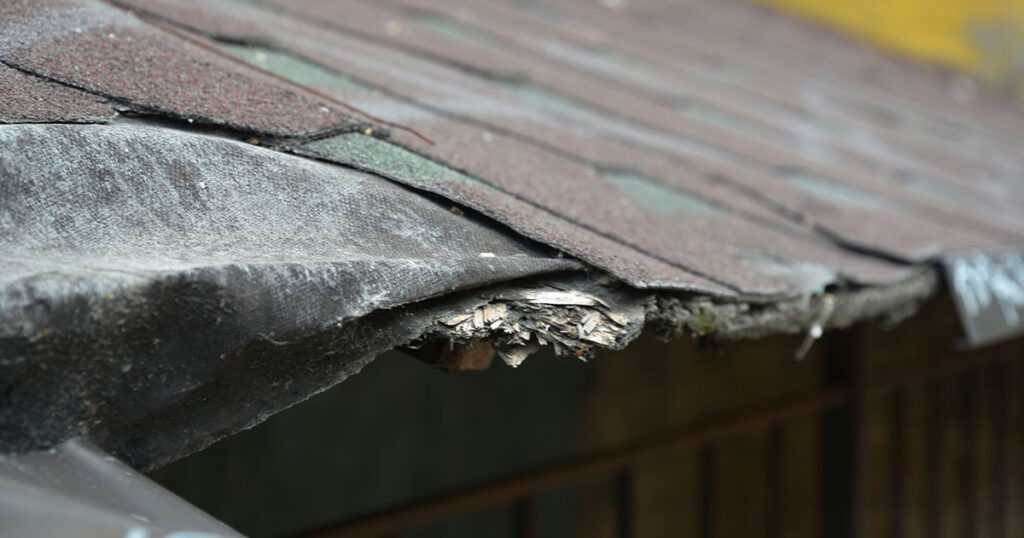
Any movement, cracking, or delamination in these areas requires urgent commercial roof leak repair. These failures rarely remain isolated and often progress into larger openings within weeks.
Soft Spots or Sagging Areas on the Roof Surface
Soft areas beneath the membrane indicate insulation saturation. Insulation loses rigidity when it absorbs water, creating a spongy feel underfoot. Saturated insulation loses thermal performance, adds extra weight to the deck, and increases installation hazards for rooftop technicians. Left untreated, moisture weakens fasteners, corrodes plates, and spreads horizontally through adjacent panels.
Sagging sections can indicate structural loading problems or drainage failures that must be evaluated and corrected immediately. Repairing soft or saturated areas requires removing wet insulation, restoring the substrate, and reinstalling membrane sections using proper attachment. This is a major warning sign that commercial roof leak repair is needed as soon as possible.
Increased Energy Bills Without Changes in Building Usage
Moisture intrusion destroys the insulation layer within a commercial roofing system. Water saturated insulation loses nearly all thermal resistance. This causes heating and cooling systems to run longer, work harder, and consume more energy. Many building owners first notice roof leaks after reviewing an unexpected increase in utility costs.
When insulation is wet, it no longer provides a continuous thermal barrier. Indoor temperatures fluctuate, humidity levels rise, and equipment strain increases. If you see rising energy bills while your building usage remains consistent, professional commercial roof leak repair and moisture scanning are recommended.
How Single Ply Roofing Experts Diagnose Commercial Roof Leaks
Professional leak detection requires a systematic approach. We evaluate membrane condition, analyze moisture movement, test seams, inspect flashings, and examine drainage paths. Our diagnostic process uses several methods based on roof type, weather conditions, and access.
Visual Inspection of Membrane, Flashings, and Penetrations
Roofing experts identify surface-level indicators including membrane cracks, seam gaps, adhesion failures, penetration issues, and mechanical damage. Visual inspection establishes the initial leak map for deeper testing.
Moisture Scanning and Infrared Analysis
Infrared scanning reveals temperature differences caused by moisture in insulation. This technique helps identify areas where water has spread horizontally. Moisture meters and core cuts confirm saturation levels and damage depth.
Drainage and Flow Evaluation
We analyze slopes, tapered insulation design, drain capacity, and debris accumulation. Drainage issues must be corrected during the leak repair process to prevent recurrence.
Why Early Commercial Roof Leak Repair Protects Your Building
Water damage spreads quickly across a roofing system. Once insulation absorbs moisture, the entire assembly loses structural integrity. Early repair prevents:
- Mold development
- Insulation collapse
- Electrical hazards
- Interior damage
- Equipment shutdown
- Costly reconstruction
Proactive commercial roof leak repair keeps the membrane watertight and stops minor problems from becoming capital emergencies. Building owners who respond quickly extend the lifespan of their roof and minimize operational disruptions.
What Happens During Professional Commercial Roof Leak Repair
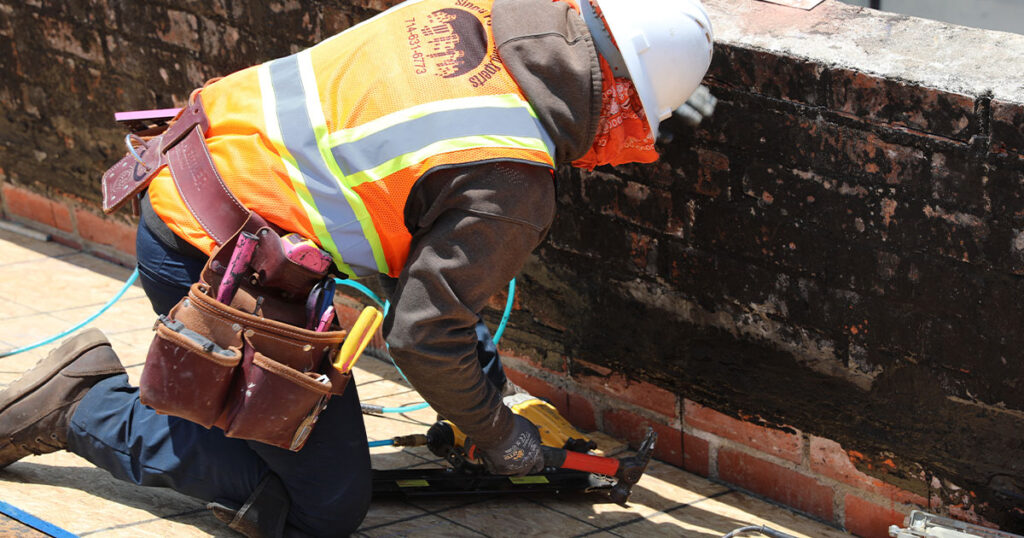
Single ply roofing experts approach leak repair with precision and documentation. The repair process includes identifying the source, removing compromised materials, reinforcing substrate conditions, and restoring the membrane.
Identify and Trace Moisture Pathways
We locate the exact point of membrane failure, determine how far water has migrated, and identify any underlying damage.
Remove Wet Insulation and Damaged Materials
Saturated insulation is removed and replaced to restore thermal performance and structural stability.
Repair the Membrane and Reinforce Adjacent Areas
Welds, patches, and flashing replacements are performed according to the membrane manufacturer’s guidelines. Adjacent areas are reinforced to prevent recurrent leaks.
Correct Drainage Issues if Present
Improving slope, cleaning drains, or restoring tapered insulation ensures long term performance.
Preventing Future Commercial Roof Leaks
Roof leaks are preventable when owners adopt consistent maintenance and professional inspections. The best strategies include biannual inspections, prompt removal of debris, routine clearing of drains, reinforcement of high traffic zones, and immediate repair of punctures or seam gaps. Proper maintenance significantly increases membrane lifespan.
Frequently Asked Questions About Commercial Roof Leak Repair
What causes most commercial roof leaks?
Most leaks begin at seams, flashings, penetrations, or drainage failures. Weathering, foot traffic, and poor installation accelerate the process.
Is it possible to repair a leak without replacing the entire roof?
Yes. Most leaks can be repaired locally when identified early. Roof replacement is only required when membrane failure or widespread saturation occurs.
How fast can water damage spread in a commercial roof?
Moisture can spread horizontally through insulation within hours. The speed depends on membrane type and assembly design.
How often should a commercial roof be inspected?
Twice a year and after major storms. Additional inspections are recommended for buildings with heavy rooftop equipment or high foot traffic.
Can roof leaks affect energy efficiency?
Yes. Wet insulation loses thermal value, causing heating and cooling costs to increase significantly.
What should I do when I notice a water stain inside my building?
Contact a commercial roofing expert immediately. Stains indicate that moisture has already reached interior surfaces.
Do small leaks require urgent attention?
Yes. Even minor leaks indicate membrane compromise and can lead to major structural damage if ignored.
How do you locate hard to find leaks?
We use thermal imaging, moisture meters, core sampling, pressure testing, and detailed membrane inspection.
Can ponding water cause leaks in single ply roofs?
Yes. Prolonged ponding accelerates membrane breakdown and weakens attachment.
Are commercial roof leaks covered by insurance?
Coverage depends on policy terms, cause of damage, and documentation. Owners should contact their insurer after a professional inspection.
Final Thoughts on Commercial Roof Leak Repair
Commercial roof leaks escalate quickly, impact building performance, and create costly structural damage when left unaddressed. Recognizing early warning signs protects your investment and maintains operational stability. Stains, odor, ponding water, blistered membrane, seam separation, and rising energy bills all signal that immediate commercial roof leak repair is necessary. A proactive approach to leak detection and maintenance extends roof lifespan and prevents emergencies.
As single ply roofing specialists, we deliver precise, expert diagnostics and corrective action that restore membrane integrity and protect your building long term. If you see any of the seven warning signs described in this guide, scheduling a commercial roof inspection now can prevent expensive repairs later.