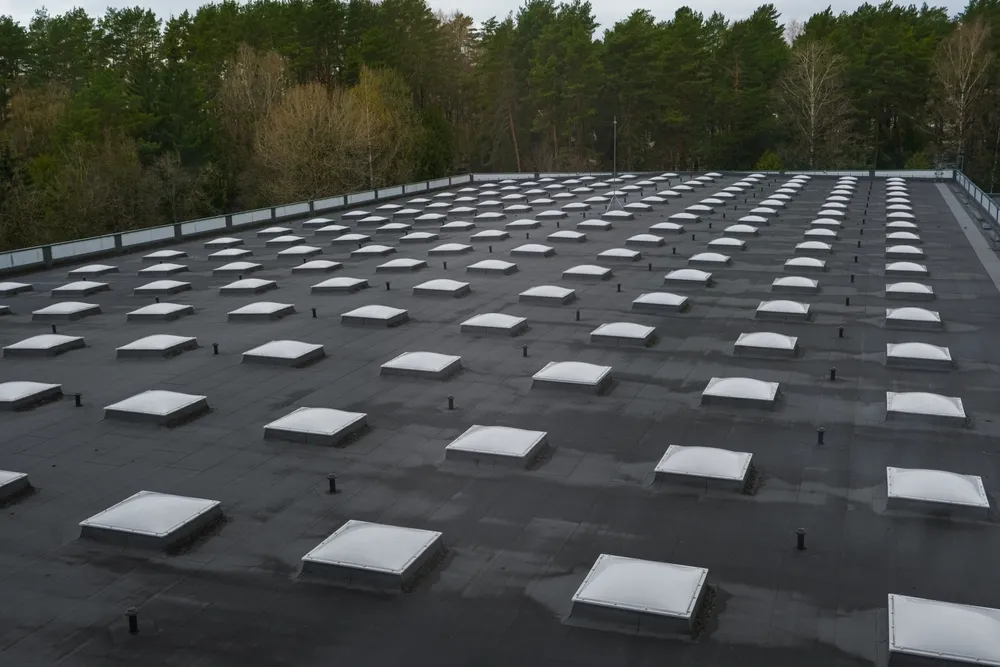
EPDM roofing installation details matter because a flat roof is only as strong as its preparation, seams, flashing, drainage, and edge termination. EPDM, short for ethylene propylene diene monomer, is a synthetic rubber roofing membrane widely used on commercial and residential low-slope roofing systems because it is flexible, durable, and adaptable to many roof layouts.
A successful EPDM installation is not just about rolling out membrane. The contractor must evaluate the deck, choose the right attachment method, install insulation or cover board correctly, manage moisture, bond or fasten the membrane, seal seams, flash penetrations, protect roof edges, and inspect every detail before the project is complete. For property owners comparing EPDM roofing installation details, understanding the process helps set better expectations and avoid costly mistakes.
What Is EPDM Roofing?
EPDM roofing installation details begin with understanding the material itself.
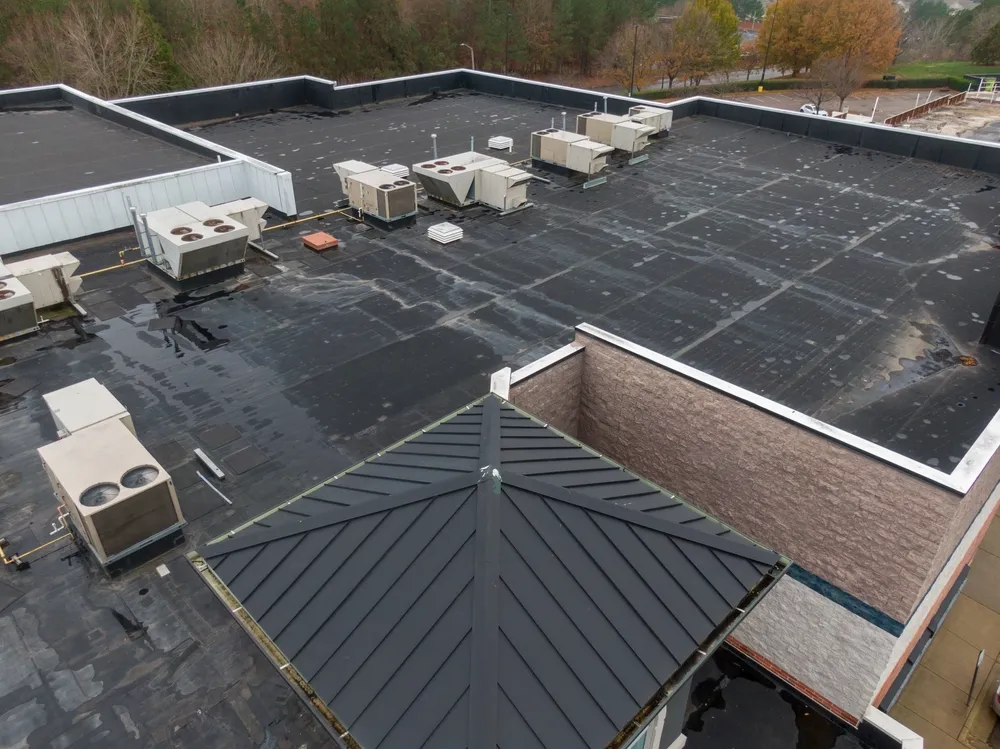
EPDM is a single-ply rubber roofing membrane commonly used on low-slope and flat roofing systems for warehouses, retail buildings, offices, multifamily properties, garages, additions, and residential flat roof sections.
EPDM Is a Flexible Single-Ply Membrane
EPDM is valued for flexibility, weather resistance, and the ability to handle building movement. Unlike thermoplastic membranes such as TPO or PVC, EPDM is typically seamed with adhesives, primer, seam tape, or manufacturer-approved accessories rather than heat-welded.
The EPDM Roofing Association explains that EPDM systems are commonly installed as ballasted, mechanically attached, or fully adhered assemblies. The correct system depends on the building, deck type, wind requirements, structural capacity, roof use, and project budget. The association’s EPDM installation methods resource outlines these primary assembly types.
EPDM Works for Many Flat Roof Applications
EPDM can be used on commercial buildings, residential flat roofs, low-slope additions, porches, garages, and certain roof replacement projects. Its flexibility can make it useful around roof movement, temperature changes, and irregular details when the system is properly designed and installed.
However, EPDM is not a one-size-fits-all material. Roof slope, drainage, rooftop traffic, HVAC equipment, fire rating, insulation requirements, and local code conditions should all be reviewed before choosing the final assembly.
Deck Preparation and Substrate Requirements
One of the most important EPDM roofing installation details is the condition of the roof deck or substrate. A new membrane should never be installed over a weak, wet, dirty, uneven, or unstable surface because hidden problems can shorten the life of the roof.
Inspect the Existing Roof Structure
Before installation begins, the contractor should inspect the roof deck for soft areas, rot, rust, loose fasteners, damaged sheathing, wet insulation, ponding patterns, and signs of structural movement. If the roof is being recovered instead of fully torn off, moisture testing may be needed to determine whether old insulation or trapped water must be removed.
Installing EPDM over a compromised deck can lead to fastener pullout, membrane stress, poor adhesion, and future leaks. A clean and stable substrate gives the membrane system a better foundation.
Remove Debris and Correct Surface Problems
The installation surface should be clean, dry, and free from loose debris, sharp objects, oil, incompatible materials, and protruding fasteners. Uneven areas should be corrected so the membrane is not stretched over ridges, gaps, or rough transitions.
Good surface preparation is especially important for fully adhered EPDM because adhesive performance depends on proper bonding conditions. Dust, moisture, and contamination can prevent the membrane from bonding evenly.
Choosing the Right EPDM Installation Method
EPDM roofing installation details change based on whether the roof is ballasted, mechanically attached, or fully adhered. Each method has different advantages, limitations, and structural considerations.
Fully Adhered EPDM Systems
A fully adhered EPDM roof uses adhesive to bond the membrane to approved insulation, cover board, or another prepared substrate. This method can provide a clean appearance and reduce membrane movement because the sheet is bonded across the surface.
Fully adhered systems are often selected for buildings where ballast is not practical, where appearance matters, or where wind uplift requirements support an adhered approach. Adhesive coverage, temperature conditions, open time, and surface cleanliness are all critical details.
Mechanically Attached EPDM Systems
A mechanically attached EPDM roof uses plates, fasteners, or approved attachment patterns to secure the membrane or insulation to the roof deck. This method can be efficient and lightweight, especially for certain commercial buildings.
Fastener spacing, deck type, wind uplift requirements, and seam placement must be reviewed carefully. A mechanically attached system is only as reliable as its attachment pattern and the deck’s ability to hold the fasteners properly.
Ballasted EPDM Systems
A ballasted EPDM roof is loose-laid and held down with smooth stone or pavers. The EPDM Roofing Association notes that ballasted systems use large membrane panels and are often associated with fast coverage on larger projects, provided the structure can support the extra weight.
Ballasted systems are not suitable for every roof. Structural capacity, drainage, wind exposure, roof height, and maintenance access must be evaluated before choosing this approach.
Insulation, Cover Board, and Attachment Details
Insulation and cover board are major EPDM roofing installation details because they influence energy performance, membrane support, puncture resistance, drainage, and fire or code compliance.
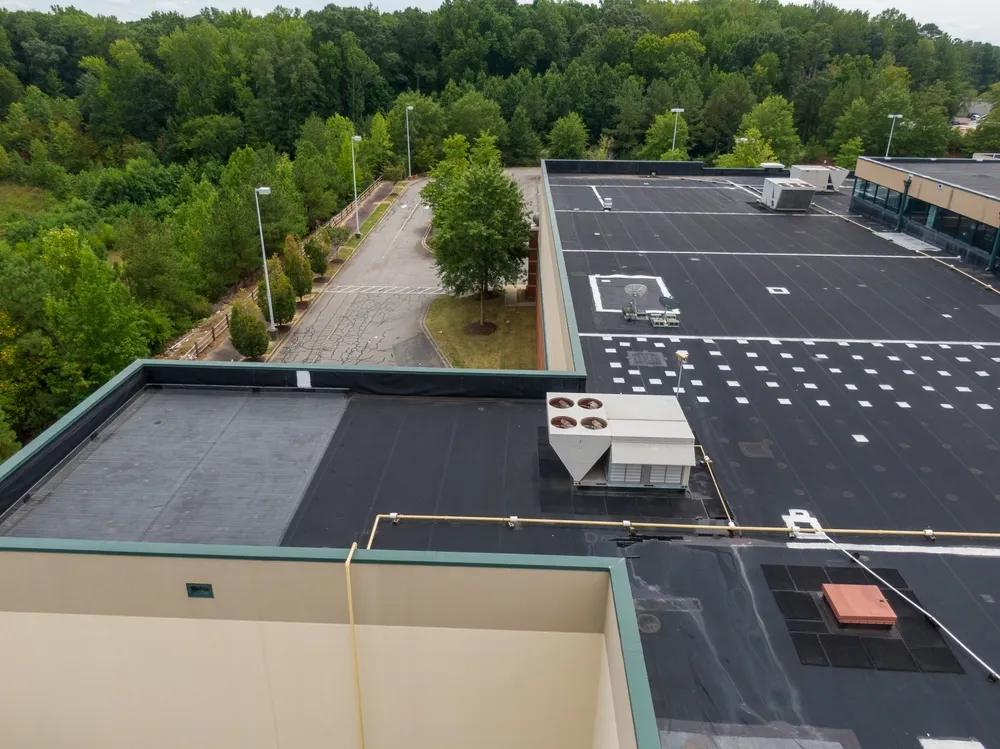
The roofing membrane performs best when the layers beneath it are properly selected and secured.
Insulation Must Be Properly Fastened or Adhered
Roof insulation should be installed according to the project specifications and manufacturer requirements. Boards should be fitted tightly, staggered where appropriate, and attached with approved fasteners, plates, or adhesives. Gaps, rocking boards, and loose insulation can create membrane stress and uneven roof surfaces.
For commercial properties, insulation layout may also need to support thermal performance requirements and roof assembly ratings. The project should be planned so the roofing system, insulation, and deck work together as one assembly.
Cover Board Can Improve Durability
A cover board can add compressive strength, improve puncture resistance, create a better bonding surface, and help protect insulation from rooftop traffic or impact. This can be valuable on commercial roofs with HVAC service work, foot traffic, or maintenance access needs.
For residential flat roofs, cover board may also help create a smoother, more durable surface beneath the EPDM membrane. The right choice depends on budget, roof use, warranty goals, and system design.
EPDM Seam and Lap Details
Seams are among the most important EPDM roofing installation details because many roof leaks begin where sheets meet. Proper seam preparation, overlap, primer use, tape placement, pressure rolling, and inspection all affect long-term performance.
Seam Areas Must Be Clean and Prepared
Before seam tape or adhesive is applied, the membrane must be clean and prepared according to the manufacturer’s instructions. Dust, moisture, oil, and field contamination can prevent proper bonding. Technicians usually mark seam areas, clean the membrane, apply primer where required, and allow proper flash-off time before joining materials.
Johns Manville’s EPDM application resources describe EPDM systems as mechanically fastened, fully adhered, or ballasted, and emphasize installation guidance for proper craftsmanship. Their EPDM roofing systems application guide is an example of manufacturer-level installation documentation.
Seams Should Be Rolled and Checked
After the seam is assembled, it should be rolled with the proper tool and inspected for fishmouths, wrinkles, gaps, contamination, or poor contact. Even a small open seam can let water travel beneath the membrane.
A careful installer does not treat seams as a quick step. Seam work requires patience because the roof’s waterproofing depends heavily on consistent contact and proper detailing.
Drainage and Slope Details for EPDM Roofs
Drainage is one of the EPDM roofing installation details that property owners sometimes underestimate. A flat roof should still move water toward drains, scuppers, or gutters, and standing water can expose weak areas in the system.
Plan Drainage Before Installing the Membrane
Drainage should be evaluated before membrane installation begins. Existing ponding areas, clogged drains, low spots, poor slope, and undersized overflow drainage should be identified early. If needed, tapered insulation or drainage corrections can be built into the project.
A roof that repeatedly holds water may experience more seam stress, debris buildup, algae growth, and long-term deterioration. Good drainage supports roof performance and makes maintenance easier.
Drains and Scuppers Need Careful Detailing
Roof drains should be securely clamped, sealed, and integrated with the membrane. Scuppers should be flashed carefully so water exits the roof without entering wall assemblies. Strainers, leaf guards, and routine cleaning help keep the system open after installation.
Even the best EPDM membrane can leak if water is forced toward a poorly detailed drain or blocked scupper. Drainage details should be inspected during and after installation.
Fall Protection Must Be Planned
Roofing crews need appropriate fall protection based on the work area and applicable regulations. OSHA requires fall protection for workers engaged in roofing activities on low-slope roofs with unprotected sides and edges six feet or more above lower levels, using approved systems or combinations of systems. OSHA’s fall protection standard for construction explains these requirements.
This is one reason flat roof installation should be handled by trained professionals rather than unqualified building staff. Safety planning protects workers, property owners, and the project schedule.
Access Routes Should Protect the Roof
Materials, tools, adhesive containers, fasteners, and equipment should be moved safely without damaging the roof deck or new membrane. Ladders, hoists, staging areas, and walk paths should be planned before work begins.
For commercial buildings, coordination with tenants, HVAC contractors, and facility managers also matters. Limiting unnecessary rooftop traffic helps protect the new EPDM membrane during and after installation.
Quality Control After EPDM Installation
Quality control is where EPDM roofing installation details are confirmed before the roof is considered complete.
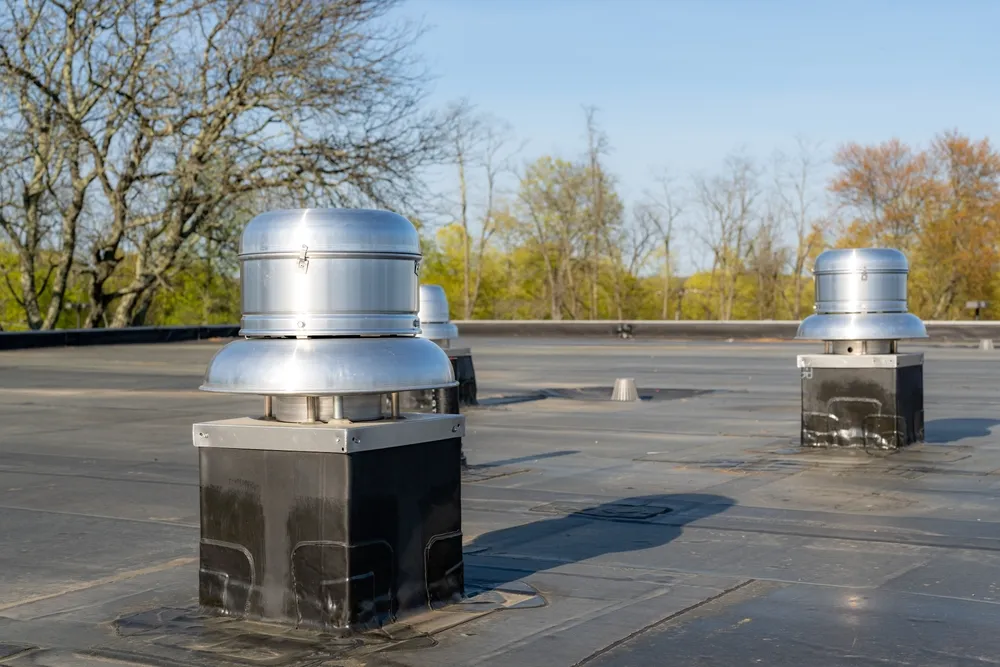
A final walkthrough should verify seams, flashing, drains, edges, penetrations, and overall workmanship.
Inspect Seams, Flashing, and Penetrations
The contractor should inspect seams for gaps, wrinkles, fishmouths, and improper bonding. Flashings around curbs, pipes, walls, and drains should be checked carefully because these areas often create future service calls if they are rushed.
The inspection should also confirm that debris, unused materials, sharp objects, and loose fasteners have been removed from the roof. A clean finished roof is easier to maintain and safer for future inspections.
Review Photos, Warranty Terms, and Maintenance Needs
Property owners should receive documentation of the completed work when appropriate. This may include project photos, product information, warranty details, maintenance recommendations, and notes about future inspections.
Single Ply Roofing Experts’ page on professional commercial roof installation services is a helpful internal resource for understanding how professional installation supports long-term roof performance.
Two Additional EPDM Details Property Owners Often Miss
Two often-overlooked EPDM roofing installation details are rooftop equipment coordination and maintenance access. These details may not seem important during installation, but they can strongly affect long-term performance.
Coordinate HVAC and Rooftop Equipment Work
Many commercial EPDM roofs have HVAC units, gas lines, electrical conduits, vents, satellite equipment, or service platforms. These areas need proper curbs, supports, walkway pads, and flashing. Equipment should not rest directly on the membrane unless the system is designed for it.
Future service technicians should have clear access paths so they do not puncture or wear down the membrane while servicing equipment. Walkway pads can help reduce traffic damage in high-use areas.
Plan for Maintenance From the Beginning
A flat roof should be designed and installed with maintenance in mind. Drains should be reachable, penetrations should be visible, and roof access should not force workers to step over fragile details. If a roof is difficult to inspect, small issues are more likely to go unnoticed.
Single Ply Roofing Experts’ commercial roof maintenance checklist explains why routine inspection and maintenance are essential after installation.
Repair, Restoration, or Replacement Considerations
EPDM roofing installation details also matter when an existing roof is being repaired, restored, or replaced.
The right scope depends on roof age, leak history, membrane condition, insulation moisture, and owner goals.
When EPDM Repair May Be Enough
A targeted EPDM repair may be appropriate when the roof is mostly sound and the issue is isolated to a puncture, open seam, loose flashing, or small detail failure. In that case, a compatible patch or flashing repair may restore waterproofing without replacing the entire system.
However, the contractor should still inspect surrounding areas. A single leak may be the visible symptom of broader aging, wet insulation, or drainage problems.
When Replacement Is the Better Choice
Replacement may be more practical when the membrane is brittle, seams are failing widely, insulation is wet, drainage is poor, or repairs have become frequent. A new EPDM system gives the property owner an opportunity to correct slope, upgrade insulation, improve edge details, and reset maintenance expectations.
Single Ply Roofing Experts’ guide to commercial roofing repair or replacement can help property owners evaluate whether repair, restoration, or replacement offers the best long-term value.
FAQ
What Are the Most Important EPDM Roofing Installation Details?
The most important details include deck preparation, insulation attachment, membrane layout, seams, flashing, drainage, edge termination, and final inspection.
Is EPDM Roofing Fully Adhered or Mechanically Attached?
EPDM can be fully adhered, mechanically attached, or ballasted. The correct method depends on the building, roof deck, wind requirements, structural capacity, and project goals.
Can EPDM Be Installed Over an Existing Roof?
Sometimes, but the existing roof must be evaluated for moisture, trapped damage, structural concerns, compatibility, and code requirements. Wet or unstable materials should not be covered.
How Are EPDM Seams Sealed?
EPDM seams are commonly sealed with manufacturer-approved primer, seam tape, adhesives, and pressure rolling. The exact method depends on the specific system and product requirements.
What Causes EPDM Roof Installation Failures?
Common causes include poor deck preparation, contaminated seams, incorrect adhesive use, weak flashing, bad drainage, improper edge securement, and lack of quality control.
Is EPDM Good for Residential Flat Roofs?
Yes, EPDM can work well on residential flat roofs when the roof is properly prepared, drained, flashed, and installed by a qualified contractor.
How Often Should an EPDM Roof Be Inspected?
Many EPDM roofs should be inspected at least twice a year and after major storms, heavy winds, rooftop work, or signs of interior leaks.
Conclusion
EPDM roofing installation details determine whether a flat roof performs reliably or develops early problems. A strong EPDM system depends on clean deck preparation, appropriate insulation, correct attachment method, well-built seams, durable flashing, secure edges, proper drainage, safe installation practices, and careful final inspection. For both commercial and residential flat roofs, the workmanship behind the membrane is just as important as the membrane itself.
Single Ply Roofing Experts helps property owners plan, install, repair, and maintain EPDM and other flat roofing systems with practical solutions based on the building’s needs. Whether you need a new EPDM installation, leak evaluation, drainage correction, or help deciding between repair and replacement, our team serves both commercial and residential flat roofing projects. To discuss your roof and get professional guidance, contact Single Ply Roofing Experts through our flat roofing service contact page.