
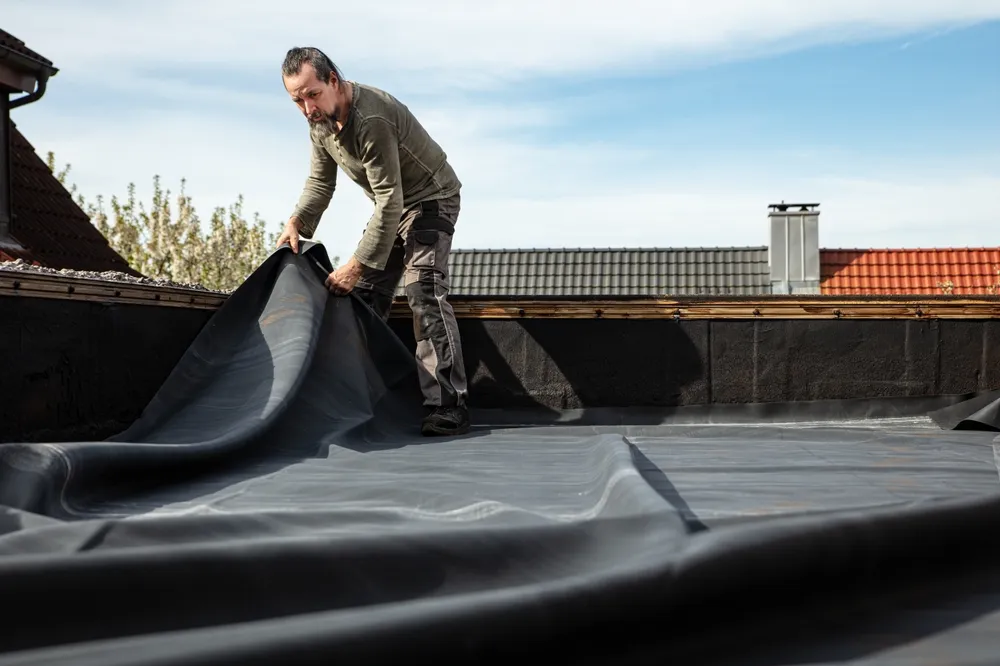
Commercial Flat Roof Insulation is one of the most important parts of a roof replacement, even though it is often hidden beneath the membrane. When a flat roof is replaced, the insulation layer affects energy performance, drainage, roof height, moisture control, code compliance, occupant comfort, and the long-term life of the new roofing system.
For building owners, facility managers, and property investors, insulation should not be treated as a simple add-on. It is part of the roof assembly. The right insulation plan can help reduce heat transfer, improve indoor comfort, support the membrane, correct drainage problems, and create a stronger foundation for TPO, PVC, EPDM, modified bitumen, SPF, or another flat roofing system.
Why Commercial Flat Roof Insulation Matters During Replacement
Commercial Flat Roof Insulation matters during replacement because the project gives the owner a rare opportunity to correct hidden problems and upgrade the roof assembly from the deck up. Once the new membrane is installed, changing insulation becomes much more expensive and disruptive.
Insulation Affects More Than Energy Bills
Many people think insulation only affects heating and cooling costs. While energy performance is important, insulation also affects how the roof handles temperature movement, condensation risk, roof traffic, impact resistance, and drainage. A roof with weak or wet insulation may look acceptable from the surface but still perform poorly underneath.
During replacement, the contractor can inspect the insulation condition, check for trapped moisture, evaluate slope, and decide whether the building needs new insulation, tapered insulation, cover board, or a complete assembly redesign. This is why insulation planning should happen before the membrane is selected.
Replacement Is the Best Time to Upgrade
A roof replacement exposes conditions that are not visible during routine inspections. Wet insulation, compressed boards, poor attachment, low spots, and deteriorated materials can be discovered once the old roof system is removed. If these issues are ignored and covered again, the new roof may inherit old problems.
Property owners can use replacement as an opportunity to improve the roof’s thermal value, drainage performance, and structural support. This is especially important for older commercial buildings that may not meet today’s energy expectations or current code requirements.
How Insulation Supports Energy Efficiency
Commercial Flat Roof Insulation plays a direct role in how much heat enters or leaves the building through the roof.

On many commercial properties, the roof covers a large surface area, so insulation quality can influence comfort and operating costs throughout the year.
R-Value Measures Thermal Resistance
R-value measures how well insulation resists heat flow. Higher R-values generally provide better resistance to heat transfer, although the right requirement depends on climate zone, building use, roof design, and local code. Commercial roof replacement projects may need to meet current energy code requirements when the existing roof is removed down to the deck.
The International Energy Conservation Code provides commercial energy-efficiency requirements, including roof insulation provisions based on construction type and climate zone. A qualified roofing contractor should confirm the code requirements for the specific jurisdiction before finalizing the insulation design.
Better Insulation Can Improve Building Comfort
Insulation helps reduce temperature swings inside the building. In summer, it can help limit heat gain through the roof. In colder conditions, it can help reduce heat loss. This can make interior spaces more comfortable for employees, tenants, customers, and residents.
For commercial buildings with large open areas, offices, retail spaces, warehouses, or multifamily properties, insulation upgrades can support more stable indoor temperatures. This does not replace proper HVAC design, but it can reduce the strain caused by an underperforming roof assembly.
Insulation and Moisture Control
Commercial Flat Roof Insulation is closely connected to moisture control because wet insulation can reduce thermal performance, add weight, support hidden deterioration, and contribute to repeated roof problems. During replacement, moisture evaluation should be part of the planning process.
Wet Insulation Should Not Be Covered
Wet insulation is one of the most common hidden problems in older flat roof systems. Water may enter through open seams, damaged flashing, punctures, ponding areas, or failed roof penetrations. Once water reaches the insulation, it can spread beyond the visible leak location.
Covering wet insulation with a new membrane can trap moisture inside the roof assembly. This can shorten roof life, reduce energy performance, and make future leaks harder to diagnose. Before replacement, the contractor should identify and remove wet or damaged insulation rather than simply roofing over it.
Moisture Can Travel Far From the Leak Source
The interior stain is not always below the actual roof opening. Water can travel through insulation joints, decking, fastener lines, structural members, and ceiling assemblies before appearing inside the building. This makes moisture testing and careful inspection important before deciding how much insulation needs to be replaced.
Single Ply Roofing Experts’ guide to roof leak detection signs, causes, and solutions explains why identifying the true source of moisture is essential before planning flat roof repairs or replacement.
Tapered Insulation and Flat Roof Drainage
Commercial Flat Roof Insulation can also help correct drainage problems. Although commercial flat roofs are commonly called “flat,” they should still move water toward drains, scuppers, gutters, or other drainage points.
Tapered Insulation Helps Create Slope
Tapered insulation is designed with varying thicknesses to help direct water across the roof surface. It can be used to build slope where the existing deck does not drain well, helping reduce ponding water and improving roof performance.
Ponding water can stress seams, flashing, insulation, coatings, and membrane surfaces. Over time, standing water may contribute to leaks, debris buildup, biological growth, and accelerated wear. Tapered insulation can be one of the most practical ways to improve drainage during replacement.
Drainage Planning Should Happen Before Installation
Drainage is difficult to correct after the new roof is complete. During the planning stage, the contractor should evaluate drain locations, scuppers, gutters, overflow systems, low spots, roof pitch, and existing ponding patterns. If the roof has chronic standing water, the replacement plan should address why.
A replacement that simply installs a new membrane over the same poor slope may not solve the building’s long-term leak risk. Insulation layout, drain improvements, and edge details should work together as one system.
Common Types of Commercial Flat Roof Insulation
Choosing the right Commercial Flat Roof Insulation depends on the roof system, performance goals, budget, code requirements, attachment method, and building use.
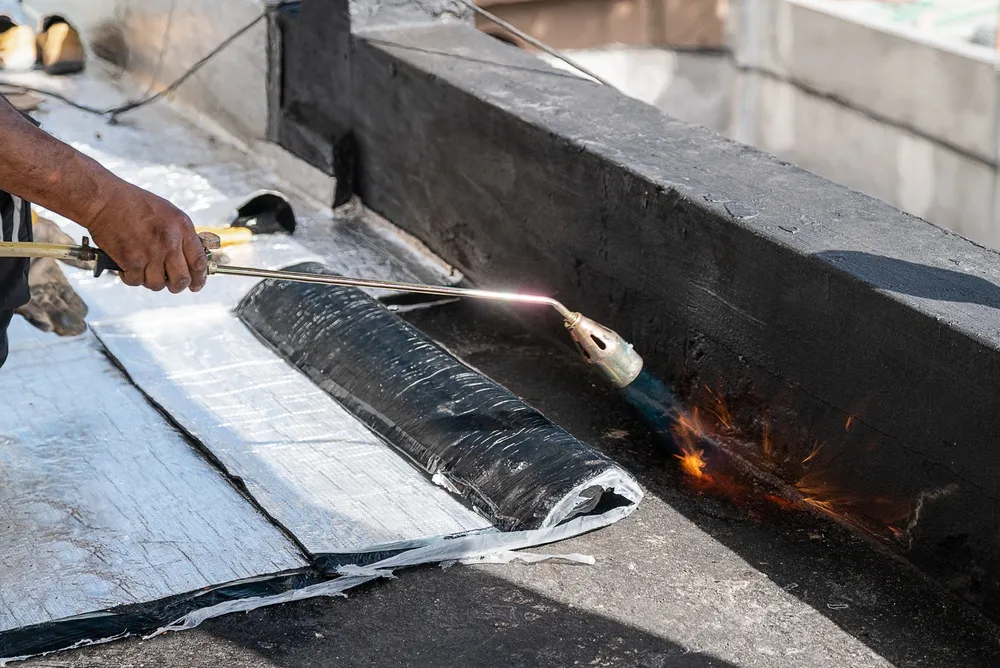
Each insulation type has strengths and limitations.
Polyiso Insulation
Polyisocyanurate, often called polyiso, is one of the most common commercial roof insulation materials. It is widely used because it provides strong thermal resistance relative to thickness and works with many low-slope roofing systems.
Polyiso is commonly installed in layers with staggered joints to reduce thermal bridging and improve assembly performance. It may be paired with a cover board for added durability, especially on roofs with frequent maintenance traffic or rooftop equipment.
EPS and XPS Insulation
Expanded polystyrene and extruded polystyrene may be used in certain roofing assemblies, depending on compatibility, performance needs, and system design. These materials can be useful in specific applications, but the contractor must confirm that the insulation is appropriate for the membrane, adhesives, fire rating, and code requirements.
Compatibility matters. Some materials may require separation layers, cover boards, or specific attachment methods. A roof assembly should never be designed by insulation type alone.
Cover Boards and Recovery Boards
A cover board is not always considered insulation in the same way as thermal boards, but it is an important roof assembly component. It can improve durability, impact resistance, fire performance, and membrane support. It can also create a better bonding surface for certain systems.
For buildings with rooftop HVAC service traffic, foot traffic, tools, or maintenance access, a cover board can help protect the insulation and membrane from damage. This is especially valuable on commercial properties where multiple trades may access the roof.
Insulation Under SPF, BUR, and Modified Systems
Spray polyurethane foam roofing can provide insulation and roofing performance in a seamless applied system when properly installed and coated. Built-up roofing and modified bitumen assemblies may use insulation and cover boards beneath asphalt-based roof layers.
Each system requires the right substrate and attachment method. The roof deck, insulation, membrane, flashing, and drainage design should be specified together rather than selected separately.
Code, R-Value, and Replacement Requirements
Commercial Flat Roof Insulation is often affected by energy codes, building codes, local amendments, and project scope. A roof replacement may trigger insulation upgrades that were not required when the original roof was installed.
Roof Replacement May Trigger Energy Code Compliance
When an old roof is removed down to the deck, many jurisdictions require the new roof assembly to meet current insulation requirements. This can increase insulation thickness compared with the existing roof, especially on older commercial buildings.
The EPDM Roofing Association explains that replacement of low-slope roofs can be a major opportunity to improve building energy efficiency, and that insulation installed as part of a new roof system may need to comply with energy code requirements. Their resource on codes for low-slope commercial roof systems provides helpful context for building owners planning roof replacement.
Added Insulation Can Affect Flashing Heights
More insulation can increase roof height. This may affect parapet walls, door thresholds, windowsills, HVAC curbs, drains, skylights, and edge details. If these transitions are not planned properly, the new roof may have reduced flashing clearance or drainage problems.
The National Roofing Contractors Association discusses how replacement roof systems may require thicker insulation to meet current requirements and how existing construction can limit flashing heights. Their low-slope roof system design guidance is a useful external reference for understanding these design challenges.
Insulation Attachment and Wind Performance
Commercial Flat Roof Insulation must be secured properly so the roof assembly can resist wind uplift, movement, and long-term stress.
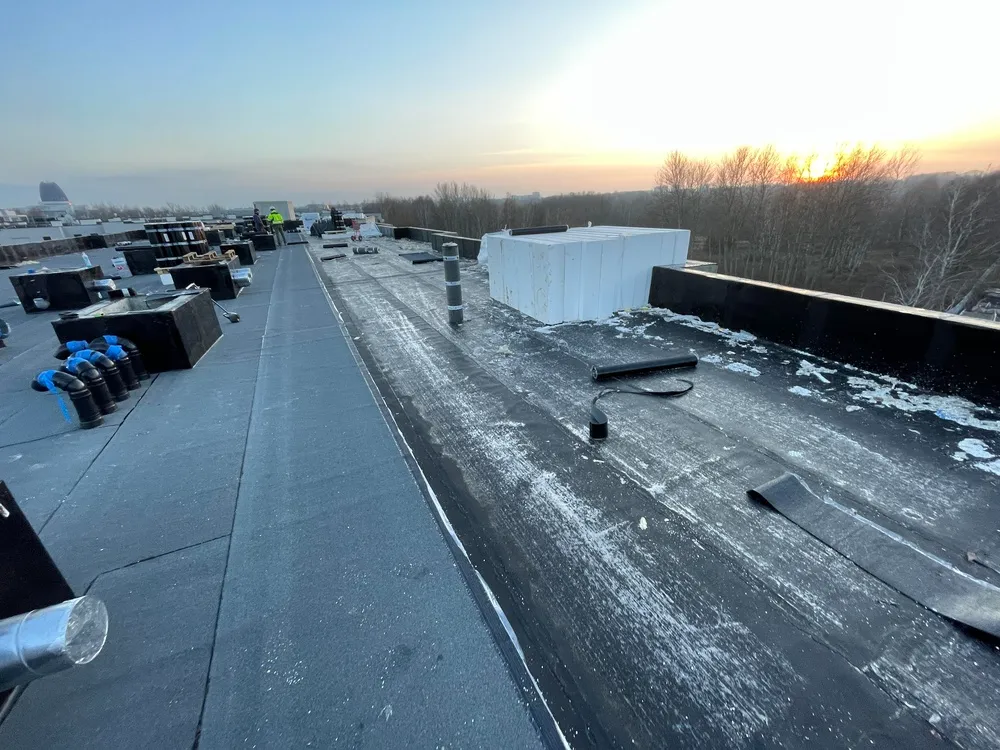
A strong membrane cannot perform well if the insulation beneath it is loose, shifting, or poorly attached.
Fasteners, Adhesives, and Attachment Patterns Matter
Insulation may be mechanically fastened, adhered, or installed according to a system-specific attachment method. Fastener spacing, plate type, adhesive coverage, deck condition, and wind design requirements all matter. Corners and perimeters often experience higher wind pressures than the center of the roof, so attachment patterns may vary by zone.
A contractor should not treat insulation attachment as a generic step. The attachment plan should fit the roof deck, building height, membrane type, wind exposure, and manufacturer requirements.
Poor Attachment Can Lead to System Failure
Loose insulation can create membrane movement, wrinkles, stress on seams, and premature damage. In severe cases, wind can lift sections of the roof assembly. Problems may also appear around edges, corners, parapets, and rooftop equipment where wind pressure and movement are more intense.
Proper attachment helps the entire flat roof system act as a unified assembly. This is one reason experienced installation matters just as much as material selection.
Two Additional Insulation Factors Owners Often Miss
Two overlooked Commercial Flat Roof Insulation factors are rooftop traffic and long-term maintenance access. These details can affect how well the roof performs after replacement, especially on commercial buildings with HVAC units, service crews, and frequent inspections.
Rooftop Traffic Can Damage Weak Assemblies
Commercial roofs often support HVAC service, satellite equipment, electrical work, plumbing vents, grease exhaust systems, and general maintenance activity. If the insulation and cover board are not durable enough for regular traffic, the membrane can be compressed, punctured, or stressed over time.
Walkway pads, cover boards, and designated access routes can help protect the roof system. This should be planned during replacement instead of added only after damage appears.
Maintenance Access Should Be Built Into the Design
A well-designed roof allows safe and practical access to drains, HVAC units, penetrations, and inspection areas. If insulation layout, tapered slope, or equipment placement makes maintenance difficult, small problems can go unnoticed.
Single Ply Roofing Experts’ commercial roof maintenance checklist explains how routine maintenance helps protect flat roof systems after installation or replacement.
Signs Your Existing Roof Insulation May Need Replacement
Commercial Flat Roof Insulation should be evaluated before replacement begins, especially if the building has a history of leaks, ponding water, high energy bills, or uneven interior temperatures. Existing insulation condition can determine whether the roof can be recovered or must be torn off.
Interior and Exterior Warning Signs
Interior signs may include ceiling stains, musty odors, wet insulation above ceiling tiles, high humidity, temperature swings, or recurring leaks after storms. Exterior signs may include soft areas underfoot, ponding water, membrane blisters, open seams, deteriorated flashing, or roof areas that feel spongy.
These signs do not always prove that insulation is wet, but they do justify further investigation. Moisture testing, core cuts, infrared scans, and professional inspections may be used to evaluate the roof assembly.
Repeated Leaks Often Point to Deeper Problems
If a roof has been patched multiple times but leaks keep returning, the issue may extend below the surface membrane. Wet insulation, poor drainage, or hidden deck damage can cause ongoing problems even after visible holes are sealed.
Single Ply Roofing Experts’ resource on commercial roofing repair or replacement can help property owners understand when isolated repairs are no longer the best long-term choice.
How to Plan Insulation During a Flat Roof Replacement
Planning Commercial Flat Roof Insulation requires coordination between the roof design, building needs, budget, code requirements, and long-term maintenance goals.
A clear plan helps avoid change orders, delays, and performance problems.
Start With a Roof Assessment
A professional assessment should review the existing membrane, insulation, deck, drainage, flashing, rooftop equipment, access points, leak history, and building use. The contractor should also ask about interior comfort issues, energy concerns, tenant complaints, and future building plans.
This assessment helps determine whether the roof should be repaired, restored, recovered, or fully replaced. It also helps identify whether insulation upgrades, tapered design, or cover board installation should be included.
Balance Cost With Long-Term Value
Insulation upgrades can increase the upfront cost of replacement, but they may also improve energy performance, reduce moisture risk, support better drainage, and extend the life of the new roof assembly. Choosing the cheapest insulation plan may lead to higher costs later if the roof performs poorly.
A good roofing proposal should explain what insulation is being used, how thick it will be, what R-value it provides, whether tapered insulation is included, how the boards will be attached, and how transitions will be handled.
FAQ
Why Is Commercial Flat Roof Insulation Important During Replacement?
Commercial Flat Roof Insulation matters because it affects energy efficiency, drainage, moisture control, code compliance, membrane support, and long-term roof performance.
Should Wet Roof Insulation Be Replaced?
Yes, wet insulation should generally be removed and replaced because it can reduce thermal performance, trap moisture, add weight, and contribute to future roof problems.
What Type of Insulation Is Used on Commercial Flat Roofs?
Common options include polyiso, EPS, XPS, cover boards, recovery boards, and spray polyurethane foam, depending on the roof system and project requirements.
Does Flat Roof Replacement Require More Insulation?
It may. When a roof is removed down to the deck, current energy codes may require the replacement assembly to meet updated insulation standards.
Can Insulation Help With Ponding Water?
Yes. Tapered insulation can help create slope and direct water toward drains, scuppers, or gutters when the existing roof does not drain properly.
How Do I Know If My Roof Insulation Is Wet?
Warning signs include recurring leaks, ceiling stains, musty odors, soft roof areas, ponding water, and high energy bills. A roofing professional can use inspection methods to verify moisture.
Is Roof Insulation Important for Residential Flat Roofs Too?
Yes. Residential flat roofs also benefit from proper insulation, drainage, moisture control, and membrane support, especially on additions, garages, porches, and modern low-slope roof designs.
Conclusion
Commercial Flat Roof Insulation is a critical part of roof replacement because it affects far more than what happens beneath the membrane. It influences energy performance, drainage, moisture resistance, code compliance, roof height, wind performance, maintenance access, and the life of the new roof system. A replacement project is the ideal time to inspect existing insulation, remove wet materials, improve R-value, correct ponding areas, and build a stronger flat roof assembly.
Single Ply Roofing Experts helps commercial and residential property owners make informed flat roofing decisions from the deck up. Our team can evaluate insulation condition, identify moisture concerns, recommend the right flat roof system, improve drainage, and install or replace TPO, PVC, EPDM, SPF, and other low-slope roofing systems. To plan a roof replacement or schedule a professional flat roof inspection, reach out through the Single Ply Roofing Experts contact page.