
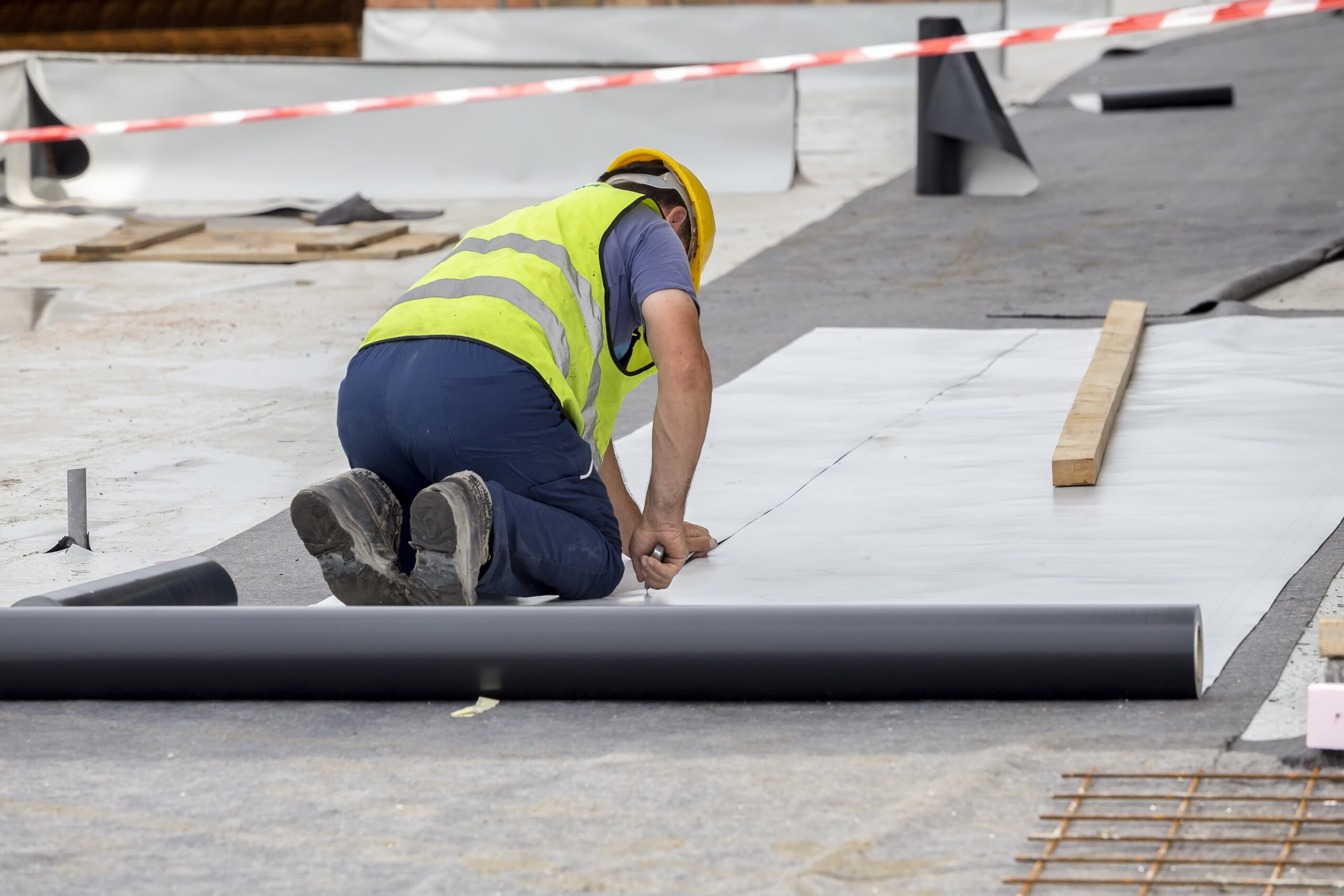
Restaurants in Los Angeles operate in one of the toughest environments for roofing systems. Between constant kitchen exhaust, grease buildup, high rooftop temperatures, and strict compliance requirements, not every roofing material is built to last.
Many restaurant owners only realize this after dealing with leaks, repairs, or premature roof failure. In most cases, the issue is not the installation itself, but the material that was originally chosen.
PVC roofing has become a reliable solution for these environments. Known for its grease resistance and durability, it is widely used across commercial kitchens and food processing facilities throughout Los Angeles. This guide breaks down why PVC roofing works so well, how it compares to other systems, and what restaurant owners should know before making a decision.
What Makes PVC Roofing Ideal for Restaurant Environments
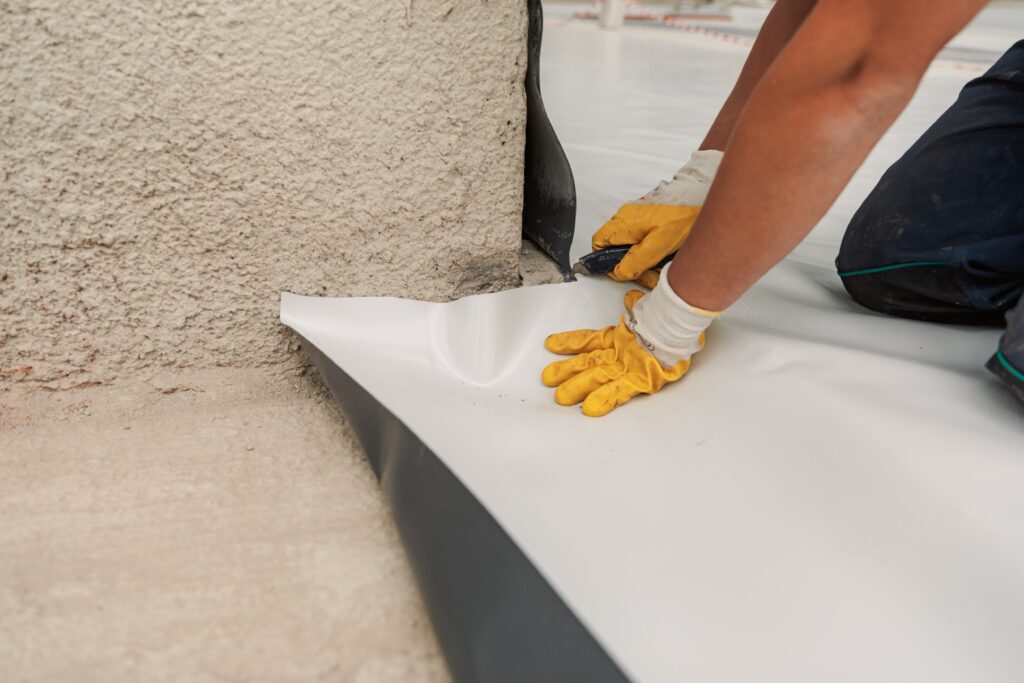
PVC roofing is a single-ply membrane specifically designed to handle demanding commercial conditions. In restaurant settings, the roof is constantly exposed to grease vapors, heat, and chemical residue coming from exhaust systems. These conditions can quickly break down traditional roofing materials.
PVC performs differently because of how it is manufactured. The membrane is engineered to resist chemical exposure and maintain its structure over time, even in environments with heavy cooking activity.
Some of the features that make PVC roofing suitable for restaurants include:
- Heat-welded seams that create a strong, watertight surface
- Resistance to grease, oils, and chemical exposure
- Reflective surface that helps reduce rooftop temperatures
- Durability under foot traffic and rooftop equipment
- Fire-resistant properties around kitchen exhaust systems
These characteristics make PVC a strong option for any commercial kitchen roof membrane in Los Angeles.
Why Grease Resistant Roofing Is Essential
Grease exposure is one of the most overlooked factors in commercial roofing, yet it is one of the main causes of early failure in restaurant buildings.
In a typical commercial kitchen, grease-laden vapors rise through exhaust systems and settle onto the roof surface. Over time, this buildup begins to interact with the roofing material. If the system is not designed to handle it, deterioration starts quietly and spreads.
This often leads to issues such as:
- Softening or weakening of the membrane
- Leaks forming around vents and penetrations
- Damage to insulation beneath the roof surface
- Increased maintenance and repair frequency
PVC roofing addresses this problem directly. It does not absorb grease, and it maintains its structural integrity even with constant exposure. This makes it one of the most dependable solutions for grease resistant roofing in restaurant environments.
Performance in Los Angeles Climate Conditions
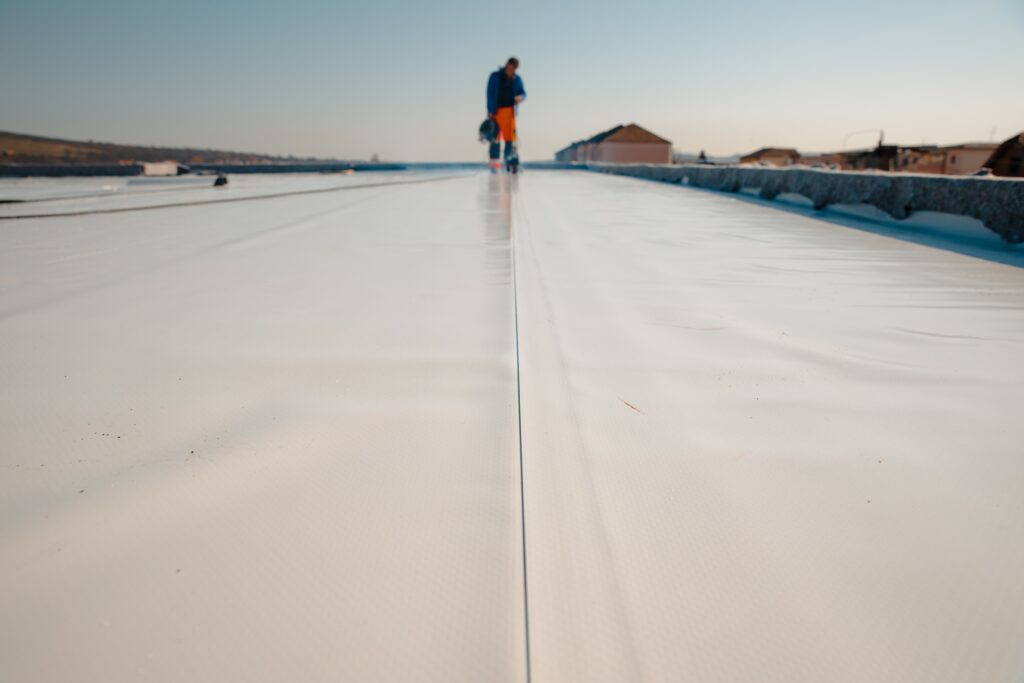
Los Angeles presents a combination of environmental factors that place additional stress on roofing systems. While the city does not experience heavy rainfall year-round, it does have intense sun exposure, heat, and occasional storms that can test the durability of a roof.
PVC roofing performs well in this climate because it reflects sunlight rather than absorbing it. This helps reduce the overall temperature of the roof surface, which can have a noticeable impact on the building’s interior.
For restaurant owners, this often results in:
- Lower energy consumption for cooling
- Reduced strain on HVAC systems
- More consistent indoor temperatures during peak heat
In a city where energy costs are a concern, this added efficiency becomes a practical advantage rather than just a technical benefit.
Comparing PVC to Other Roofing Materials
Choosing the right roofing system is especially important for restaurants because not all materials respond well to grease and heat exposure.
PVC is often compared to other commercial roofing systems, but the differences become more noticeable in kitchen environments.
When evaluating options, here is how PVC typically compares:
- Compared to TPO, PVC offers stronger resistance to grease and chemical exposure
- Compared to modified bitumen, PVC does not absorb oils or break down over time
- Compared to EPDM, PVC provides better durability in environments with heavy exhaust systems
While other materials may perform well in standard commercial buildings, PVC tends to outperform them in restaurant-specific conditions.
Where PVC Roofing Is Commonly Used
PVC roofing is widely used across various types of food-related facilities, not just full-scale restaurants.
It is commonly found in:
- Restaurants with high-volume kitchen operations
- Food processing and manufacturing facilities
- Bakeries and commissary kitchens
- Grocery stores with prepared food sections
- Catering and production kitchens
Any building that produces grease vapors or chemical residue can benefit from a roofing system designed to handle those conditions.
The Importance of Proper Installation
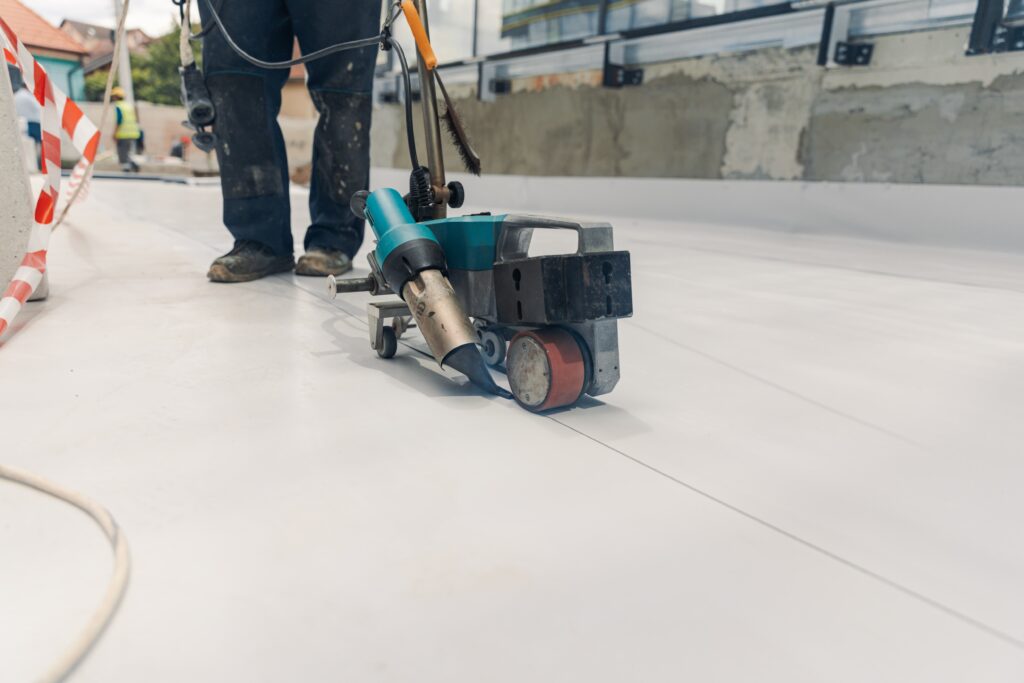
Even the best roofing material can fail if it is not installed correctly. This is especially true in restaurant environments, where roof penetrations and exhaust systems require careful attention.
A qualified restaurant roofing contractor in LA should understand how to handle these details properly. The installation process involves more than just laying down a membrane. It requires planning around equipment, ventilation systems, and long-term exposure to grease.
Key elements of a proper installation include:
- Sealing all penetrations around exhaust fans and ducts
- Ensuring proper drainage to prevent water accumulation
- Reinforcing areas with heavy foot traffic
- Using precise heat-welding techniques for seams
- Adding protection in high-exposure zones
Attention to these details plays a major role in how long the roofing system will last.
Maintenance Expectations for PVC Roofing
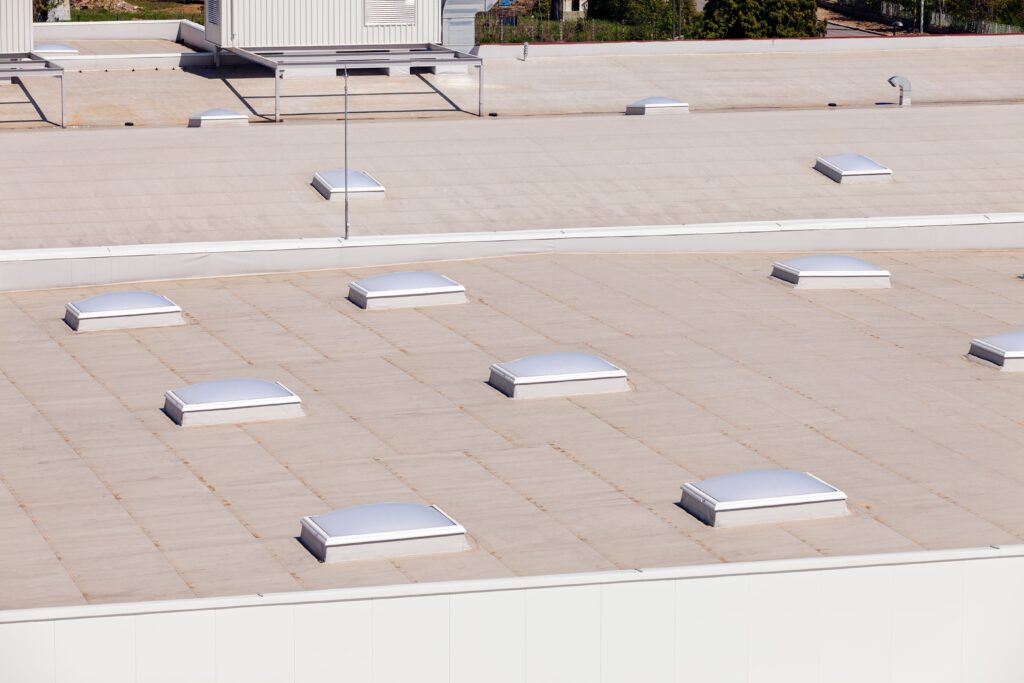
PVC roofing systems are known for being low maintenance, but they still require regular oversight to perform at their best.
Routine maintenance typically involves inspections and basic cleaning, especially in areas near kitchen exhaust systems where buildup can occur.
Recommended practices include:
- Scheduling inspections twice per year
- Cleaning grease accumulation from the roof surface
- Checking seams and flashing for early signs of wear
- Keeping drains clear to prevent ponding water
Restaurant owners should also pay attention to early warning signs such as discoloration, standing water, or unusual odors. Addressing these issues early can prevent larger problems later.
Cost vs Long-Term Value
PVC roofing is not always the lowest-cost option upfront, which can make some property owners hesitant. However, focusing only on initial cost can be misleading, especially in restaurant environments.
The value of PVC roofing becomes more apparent over time. Because it resists grease and chemical damage, it requires fewer repairs and tends to last longer than other materials in similar conditions.
Long-term benefits often include:
- Reduced maintenance and repair costs
- Longer service life
- Improved energy efficiency
- Less disruption to daily business operations
For restaurants that operate daily, avoiding downtime caused by roofing issues can be just as important as the cost of installation.
Common Mistakes Restaurant Owners Should Avoid
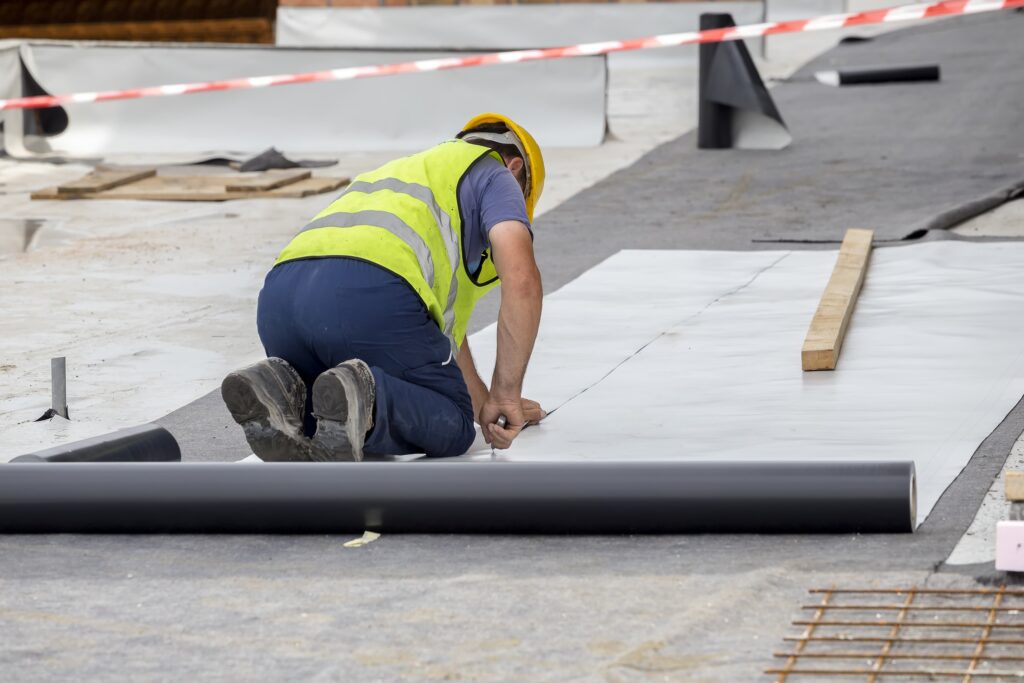
Several common mistakes can lead to roofing problems in restaurant properties.
One of the most frequent is choosing a roofing system based only on price. Lower-cost materials may seem appealing initially, but they often fail faster in grease-heavy environments.
Another issue is underestimating the impact of grease exposure. Not all commercial roofing systems are designed to handle it, and this can lead to early deterioration.
Working with contractors who lack experience in restaurant roofing can also create problems. Without the right expertise, important details around exhaust systems and penetrations may be overlooked.
FAQs
How long does PVC roofing last on a restaurant building?
PVC roofing can last between 20 to 30 years when properly installed and maintained, even in demanding kitchen environments.
Is PVC roofing necessary for small restaurants?
Yes. Even smaller kitchens produce grease and heat that can damage standard roofing systems over time.
Can PVC roofing handle rooftop equipment?
PVC membranes are designed to withstand foot traffic and equipment, especially when reinforced in high-use areas.
Does PVC roofing require frequent maintenance?
Maintenance is minimal but should include regular inspections and cleaning around exhaust systems.
Is PVC roofing environmentally friendly?
PVC roofing contributes to energy efficiency due to its reflective surface and can be recycled at the end of its lifespan.
Practical Recommendation for Restaurant Owners
PVC roofing is a strong option for buildings that deal with constant heat, grease exposure, and heavy daily use. It is particularly well-suited for restaurants with multiple exhaust systems or high-volume cooking operations.
Choosing the right contractor and ensuring proper installation are just as important as selecting the material itself. When both are done correctly, PVC roofing provides long-term protection and reliable performance.
Conclusion
Restaurant roofing requires more than a standard commercial solution. The combination of grease, heat, and constant operation creates conditions that demand a more durable and specialized material.
PVC roofing has proven to be one of the most effective options for restaurants and food facilities in Los Angeles. With proper installation and maintenance, it offers long-term reliability, reduced risk of damage, and improved efficiency for demanding environments.